Starting football is exciting, but the kit list can look intimidating when you are new to the game. Shop websites will happily sell you everything from compression gear to GPS trackers, yet a good women’s football kit starts with just a few essentials chosen well. This guide explains what you actually need, how to choose boots and shin pads that fit properly, and where you can save money without compromising safety or comfort.
Boots: The One Purchase to Get Right
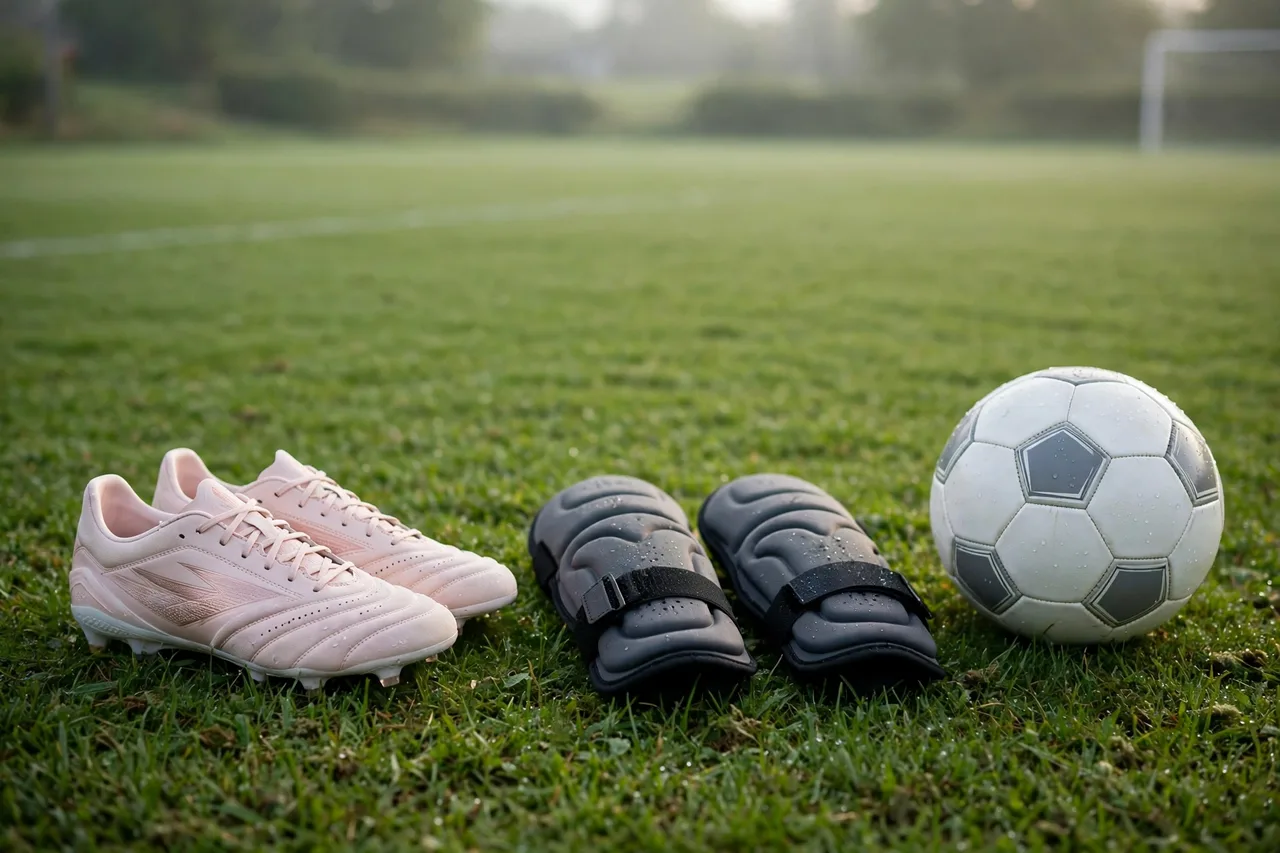
Boots matter more than everything else combined. The first decision is the surface you will play on most. Firm ground boots, with moulded studs, suit natural grass pitches in decent condition and are the most versatile choice for grassroots football. Soft ground boots have longer, often metal, studs for wet and muddy pitches, while artificial ground boots and trainers are made for 3G and 4G pitches, where long studs can damage the surface and increase injury risk. If you play on both grass and artificial surfaces, a firm ground boot is usually the sensible compromise.
Fit is the second decision, and it is where women’s players were underserved for years. Many now choose women-specific lasts, which are shaped differently around the heel and forefoot, rather than simply buying a smaller men’s boot. Try boots on with your football socks, late in the day when feet are slightly swollen, and look for a snug heel with a thumb’s width at the toes. If you are still deciding whether the game is for you, our guide on how to start playing women’s football covers finding a team and what to expect at your first session, and younger players can read our introduction to girls football and finding the right team.
Shin Pads: Small, Cheap and Non-Negotiable
Shin pads are compulsory in matches and should be treated as essential in training too. Slip-in pads sit inside a sock or sleeve and offer freedom of movement, while ankle-strap pads add protection around the ankle bone and stay in place better for younger players. The pad should cover from just below the knee to just above the ankle; too small leaves bone exposed, too large restricts your stride. Prices are modest, so this is not the place to economise with an old, cracked pair. Replace pads when the shell cracks or the foam compresses flat, because protection fades long before the pad falls apart.
Clothing: Comfort Over Labels
For training, any breathable shorts and top will do, but a few details help. A good sports bra designed for high impact is a genuine essential for comfort and support. Base layers earn their place in winter, keeping muscles warm on cold nights, and most players prefer socks designed for football, which are long enough to hold shin pads and reinforced at the heel. In matches your club provides the shirt, and often shorts and socks, as part of registration, so check what is included before buying your own. Our guide to football for kids has parallel advice for parents kitting out younger players, where growing feet change the maths on boots entirely.
The Extras Worth Having
Once the essentials are sorted, a few extras make life easier. A kit bag with a separate boot compartment keeps muddy footwear away from clean clothes. A water bottle sounds obvious until you forget it. Grip socks are popular with players who find their feet sliding inside boots, and a simple foam roller helps recovery between sessions. Goalkeepers need gloves with decent latex grip and should expect to replace them as the palms wear. What you do not need at grassroots level: expensive recovery gadgets, branded training aids or a different boot for every surface. Coaches care far more about attendance and attitude, as our overview of football coaching explains.
Looking After Your Kit
Boots last twice as long with basic care. Knock off mud after every game, loosen the laces and let them dry naturally at room temperature; stuffing them with newspaper draws out moisture overnight. Never leave boots in a sealed bag in the car, and never dry them on a radiator, which cracks leather and warps synthetics. Wash kit promptly, air shin pads rather than leaving them in the bag, and check studs for wear, because rounded studs slip and slipping causes injuries. Players coming through the academy pathway will find the same habits expected of them, as our guide to grassroots football for young players in Scotland describes.
A Sensible Women’s Football Kit Checklist
Start with boots matched to your surface, shin pads that fit, a supportive sports bra, football socks and weather-appropriate training clothes. Add a bag, a bottle and, in winter, a base layer. That is a complete women’s football kit for training and matches, with no wasted money. Buy the boots and shin pads carefully, save on everything else, look after what you own, and spend the difference on the thing that actually improves your game: playing more football.
Buying on a Budget: Where to Save
A full kit does not have to mean a full-price kit. Last season’s boot models are routinely discounted when new colourways launch, and the technology difference is usually minimal. Outlet sections and end-of-season sales are the best hunting grounds for boots and clothing, while shin pads, socks and base layers are often bundled cheaply in multi-packs. Second-hand boots can be a bargain for fast-growing younger players, provided the studs are sound and the uppers are not split. Spend your money in the right order: boots first, shin pads second, everything else after. A modest budget spent in that order produces a kit that is safe, comfortable and ready for a full season.