
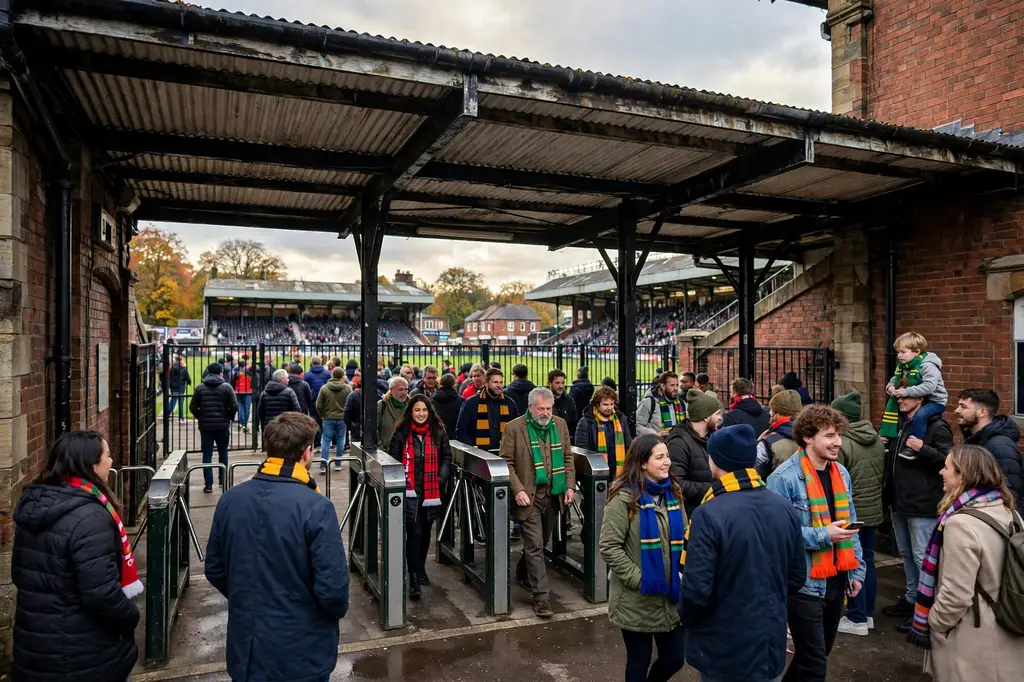
Buying football tickets used to mean queueing at a ticket office. Today most fans buy online, and while that is far more convenient, it has also created a thriving market for fake tickets, cloned websites and resale scams. Learning how to buy football tickets safely takes only a few minutes and can save you money, a wasted journey and the heartbreak of being turned away at the turnstile. This guide explains where to buy, how to spot a fraudulent seller, and what to do if something goes wrong.
Start With the Club’s Official Channels
The safest place to buy is always the club itself: its official website, its official ticket office and any official resale platform the club operates for season ticket holders who cannot attend. Prices there are face value or close to it, the tickets are guaranteed genuine, and if a match is postponed or rearranged your refund rights are clear. For smaller clubs the process is refreshingly simple, and as our article on why lower league football matters argues, the matchday experience lower down the pyramid often beats the big stadiums anyway. Use our guide to football clubs near me to find your local side and its official ticketing page.
Understand Official Resale and Membership Schemes
For high-demand matches, clubs often require a membership before you can buy, and operate their own ticket exchange where fans resell at face value. These schemes exist precisely to keep tickets out of the hands of touts. If a match has sold out, the club’s official exchange should be your first and only resale stop. Be patient: tickets frequently appear in the days before a game as plans change. Our overview of football tickets and matchday experiences explains how different levels of the game handle sales and hospitality, and what a fair price looks like at each level.
Red Flags: How to Spot a Ticket Scam
Fraudulent sellers share recognisable habits. Prices far above face value for ordinary league matches, or suspiciously cheap tickets for sold-out derbies, are the first warning. Sellers who insist on bank transfer or payment apps and refuse card payment are avoiding the protection cards give you. Social media accounts created recently, with stock photos and no history, offering tickets to every big match are almost never genuine. Screenshots of e-tickets are another classic: the same image can be sold ten times, and only the first person through the turnstile gets in. Finally, check the website address letter by letter, because cloned sites differ from the real club shop by a single character.
Pay in a Way That Protects You
How you pay matters as much as where you buy. A credit card gives you statutory protection on purchases over £100 if the tickets never arrive or turn out to be fake, and debit cards offer chargeback schemes that can recover money from a fraudulent seller. Never pay by bank transfer to someone you do not know: once sent, that money is effectively gone. Keep every confirmation email, receipt and message until after the match, and buy early enough that a problem can be fixed. If you are taking children to their first game, our guide to football for kids will help you choose the right stand and fixture for a relaxed first visit.
Plan the Matchday, Not Just the Ticket
A genuine ticket is only the start of a good day out. Check the stadium layout before you buy so you know whether you are behind the goal or along the side, and read up on the ground itself; our Excelsior Stadium guide shows the kind of detail worth checking for any away ground, from entrances to facilities. Arrive early enough to clear turnstiles without rushing, keep your phone charged if your ticket is digital, and have the booking confirmation available offline in case the signal fails at a crowded stadium. For young fans moving from watching to playing, our guide to youth football clubs by age explains the next step.
If You Have Been Scammed
Act quickly. Contact your bank or card provider immediately and explain that the transaction was fraudulent; the sooner you report it, the better the chance of recovering the money. Report the seller to the platform where you found them and to Action Fraud, the UK’s national reporting centre for fraud and cyber crime. Then warn other fans: a short post in a supporters’ group can stop the same account catching someone else before the next match. It is a miserable experience, but it is a common one, and reporting helps shut these operations down.
To buy football tickets safely, remember three rules: buy from the club or its official exchange, pay by card, and walk away from any deal that feels rushed or too good to be true. Follow those and the only drama on matchday will be on the pitch, where it belongs.
Season Tickets and Membership Renewals
If you attend regularly, a season ticket bought directly from the club is almost always the safest and cheapest route of all: no per-match scramble, no resale mark-ups and a guaranteed seat. Clubs typically open renewals first for existing holders, then release general sale in stages, and many offer instalment plans that spread the cost across the season. Membership schemes work similarly for supporters who cannot commit to every game, giving priority windows for high-demand fixtures. Whatever route you choose, buy through the club’s own site, keep your account details up to date, and be wary of anyone offering to transfer tickets outside the official system, because unofficial transfers can be cancelled without warning.