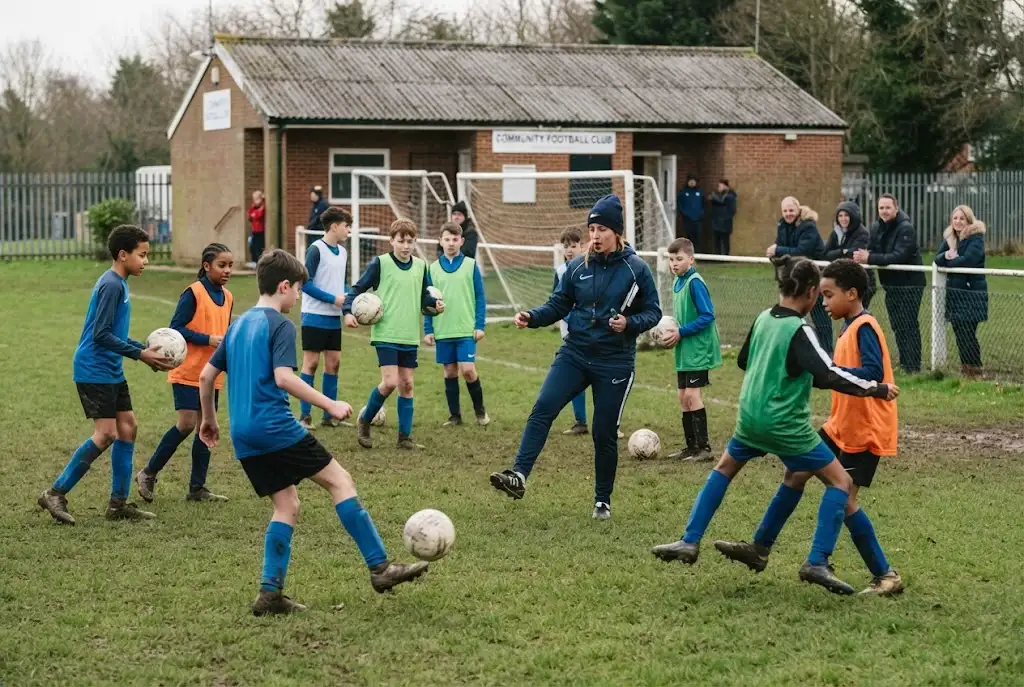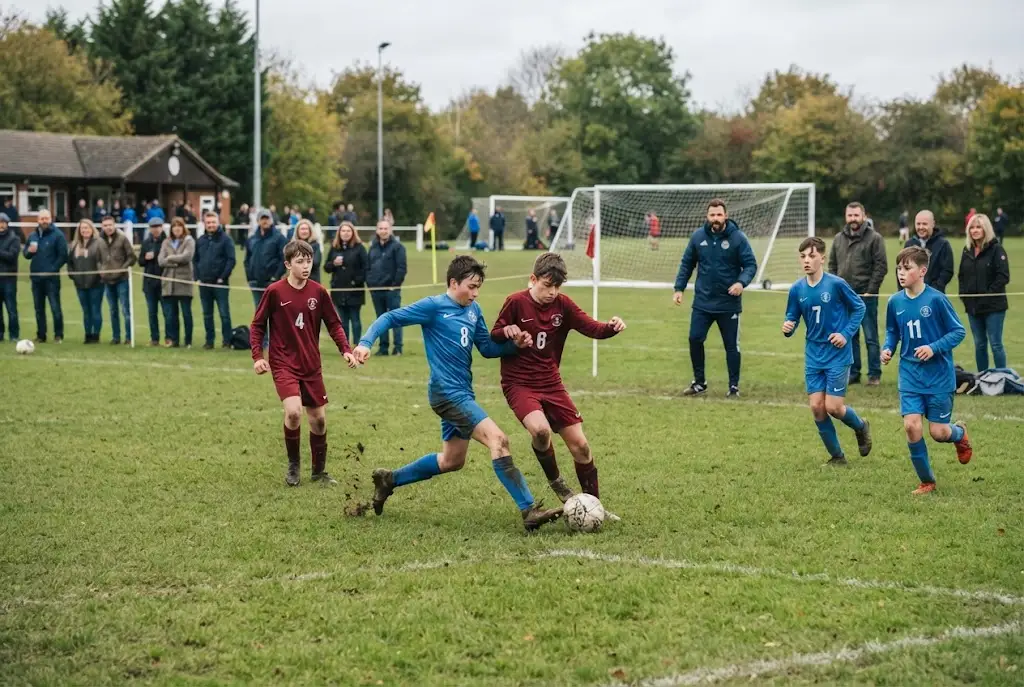
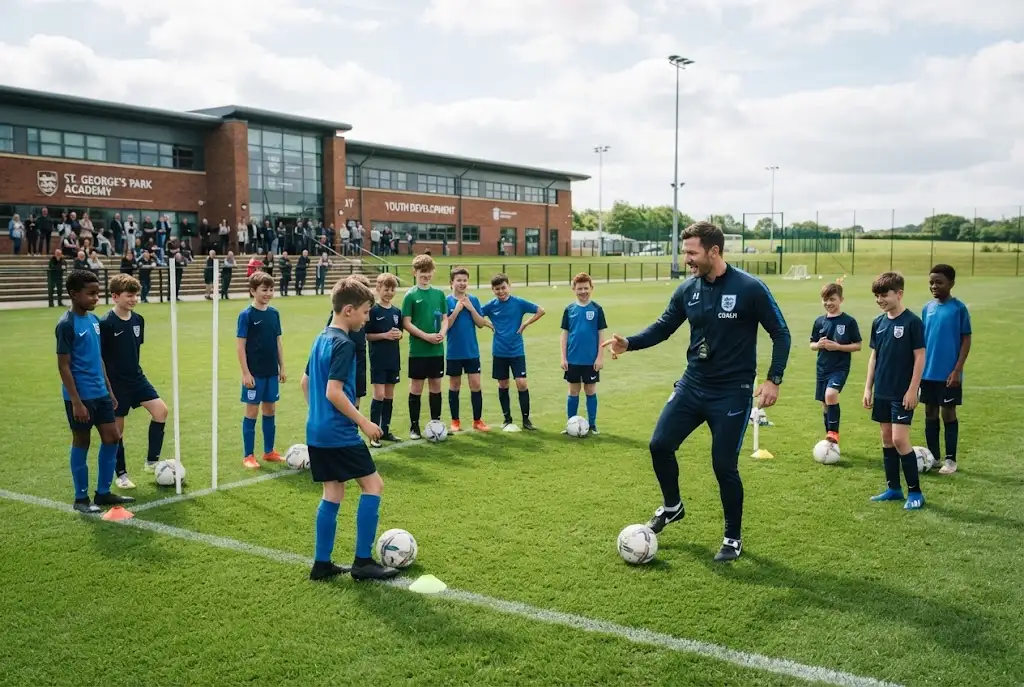
Football coaching can make a significant difference to how young players understand, practise and enjoy the game. Good coaching is not simply about teaching children how to kick a ball or win matches. It helps players develop technical skills, tactical awareness, decision-making, confidence and the ability to work effectively with teammates.
Every young footballer develops at a different pace. Some players may have excellent ball control but need to improve their decision-making, while others may understand the game well but require more technical practice. Effective coaching recognises these differences and creates appropriate opportunities for each player to improve.
Whether a child plays grassroots football, attends an academy or simply wants to become more confident on the pitch, the right coaching environment can provide valuable guidance throughout their development.
What Is Football Coaching?
Football coaching is the process of helping players develop their understanding and ability through structured training, instruction, feedback and match experience. Coaches plan sessions around particular objectives and adapt activities according to the age, ability and needs of their players.
At youth level, coaching should combine technical development with opportunities to make decisions. Players need to understand not only how to perform a particular skill but also when and why to use it during a match.
A good coach therefore creates an environment where players can practise, experiment, make mistakes and learn from them without unnecessary fear of failure.
Why Football Coaching Matters for Young Players
Children can learn a great deal simply by playing football. However, structured coaching can help them understand areas of the game that may otherwise take much longer to develop.
Coaches can identify technical weaknesses, explain tactical concepts, introduce appropriate exercises and provide feedback after training or matches. Over time, these small improvements can build into a more complete understanding of football.
Coaching can also help players develop confidence. When young footballers understand what they are trying to achieve, they can approach situations on the pitch with greater clarity.
Key Areas of Football Coaching
A comprehensive coaching programme should address several interconnected areas rather than concentrating on one skill.
Ball Control
Ball control is fundamental to football. Players need to receive passes comfortably, protect possession and prepare the ball for their next action.
Training can involve receiving the ball with different parts of the foot, controlling passes at different speeds and learning to take the first touch into useful space.
Passing
Accurate passing allows teams to maintain possession and progress up the pitch. Young players can learn different passing techniques while also developing an understanding of weight, direction and timing.
However, passing drills become more useful when players eventually have to make decisions under pressure rather than simply passing between stationary teammates.
Dribbling
Dribbling can help players move past opponents and carry the ball into space. Coaches can teach close control, changes of direction, changes of speed and ways to protect the ball.
Players should also learn when dribbling is appropriate. Beating an opponent can be valuable, but sometimes the better decision is to pass.
Finishing
Attacking players can benefit from regular finishing practice. Training may include different types of shots, movement before receiving the ball and finishing under pressure.
Finishing should not be limited to isolated shooting exercises. Players also need to recognise when and where opportunities develop during matches.
Defending
Defensive coaching can teach positioning, timing, pressing, tackling and covering. Young players should understand that defending is a collective responsibility rather than something limited to defenders.
Football Sessions Should Have a Clear Purpose
Well-designed football sessions usually have a specific objective. Instead of filling training time with unrelated drills, coaches can build activities around a particular skill or tactical problem.
For example, a session focused on passing under pressure might begin with a simple technical exercise before progressing into small-sided games. The final activity can then allow players to apply the skill in a realistic environment.
This progression helps players understand why they are practising something and how it relates to match situations.
Football Coaching and Tactical Understanding
Technical ability is only one part of becoming a better footballer. Players also need to understand space, positioning, transitions and the responsibilities associated with different roles.
Young players can gradually learn concepts such as supporting the player on the ball, creating passing options, defending space and reacting quickly when possession changes.
Coaches should introduce these ideas in an age-appropriate way. Complex tactical terminology is not always necessary. Clear demonstrations and practical examples can make concepts easier for young players to understand.
How Coaching Improves Decision-Making
One of the most valuable outcomes of good coaching is improved decision-making. Footballers rarely have unlimited time to decide what to do.
A coach can create realistic situations where players have to choose between passing, dribbling, shooting or moving into space. Small-sided games are particularly useful because players often receive the ball more frequently and face repeated decisions.
Instead of immediately giving players the answer, coaches can sometimes ask questions. For example, they might ask what another option was available or why a particular pass was chosen. This encourages players to think independently.
Private Football Coaching Near Me: Is It Worth It?
Parents searching for private football coaching near me may find individual or small-group training programmes. Private coaching can provide additional practice and may allow sessions to focus closely on a player’s specific development needs.
However, individual coaching should complement rather than replace team football. Players still need to experience real matches where they must communicate, make decisions and respond to teammates and opponents.
Before choosing a private coach, parents should consider the coach’s experience, qualifications, approach to youth development and ability to work appropriately with the child’s age group.
Football Lessons Near Me: What Should Parents Look For?
Families searching for football lessons near me should look beyond the number of sessions advertised. The quality and suitability of the programme are more important.
Consider whether the sessions are age appropriate, whether players receive meaningful feedback and whether the coach creates an environment where children feel comfortable learning.
It is also worth asking about group sizes. Smaller groups can provide more individual attention, while larger groups may offer more opportunities to practise teamwork and decision-making.
Football Coaching for Different Age Groups
Coaching should change as children grow. A training session suitable for a five-year-old is unlikely to be appropriate for a teenager competing at a high level.
Young Children
For younger children, enjoyment and basic movement skills should remain central. Sessions can introduce dribbling, stopping, turning, passing and simple games while allowing children plenty of contact with the ball.
At this stage, coaches should avoid creating excessive pressure around results or selection.
Developing Players
As players become more experienced, coaches can introduce greater tactical detail, more challenging technical exercises and competitive situations.
Players can also begin to understand positional responsibilities and how individual actions affect the team.
Advanced Youth Players
More advanced players may benefit from detailed tactical coaching, position-specific development, performance analysis and increasingly demanding match scenarios.
The focus can gradually move towards consistency, decision-making under pressure and preparing players for the expectations of higher-level football.
Football Coaching and Academy Development
Academy environments often use structured coaching programmes to develop players over an extended period. Training can be connected to broader development objectives rather than treating each session as an isolated activity.
Our guide to football academy development explains how structured academy environments can combine technical, tactical, physical and personal development.
For players hoping to progress through academy pathways, quality coaching is therefore one important part of a much wider development process.
The Importance of Qualified Coaches
Parents should consider the coaching credentials and experience of anyone working with young players. Qualifications can demonstrate that a coach has completed relevant education, but coaching quality also depends on communication, organisation and the ability to work effectively with children.
The Football Association provides information about coaching qualifications and development through its official coaching pathway. Parents and aspiring coaches can use The FA’s coaching courses as an authoritative starting point for understanding the formal pathway.
For aspiring coaches, learning should continue beyond an initial qualification. Football changes, and good coaches continue developing their knowledge and methods.
Football Coaching and Player Confidence
Confidence can influence how a young footballer performs. A player who is afraid of making mistakes may stop attempting passes, taking players on or making forward runs.
Good coaching creates room for mistakes while still maintaining standards. Players should understand that errors are part of learning and that improvement comes from responding to them.
Positive feedback does not mean avoiding constructive criticism. Instead, coaches can explain what needs to change and give players a practical way to improve it.
How Parents Can Support Football Coaching
Parents can reinforce the work of coaches by encouraging regular attendance, supporting healthy routines and maintaining a positive attitude towards football.
It can also help to avoid giving constant tactical instructions from the sideline. Young players may struggle when they receive conflicting instructions from parents and coaches at the same time.
After matches, asking a child whether they enjoyed the game or what they learned can often be more productive than focusing exclusively on the final score.
Common Football Coaching Mistakes
Even well-intentioned coaching can become less effective when the development environment is poorly structured.
- Too much talking: Young players need opportunities to practise rather than spending most of a session listening.
- Too many drills: Activities should connect to realistic football situations.
- Ignoring individual differences: Players develop at different speeds and need appropriate challenges.
- Focusing only on results: Long-term development can be undermined when winning becomes the only objective.
- Fear of mistakes: Players need freedom to experiment and learn.
- Limited game experience: Technical drills should eventually connect with realistic match play.
Football Coaching and Long-Term Player Development
Player development rarely follows a straight line. A child may improve quickly in one season and then experience a slower period. Another player may develop later and eventually progress rapidly.
This is why effective football coaching should focus on sustainable development rather than rushing players through stages. Coaches need to challenge players while also recognising their physical, emotional and technical development.
Competitive opportunities can form an important part of this process. Our guide to football academy trials explains how assessment opportunities can allow players to experience a higher level of competition and demonstrate their abilities.
For younger children, coaching should remain enjoyable and suitable for their stage of development. Our football for kids guide explores how early participation can help children build confidence and develop a positive relationship with the sport.
How Young Players Can Get More From Coaching
Players can take responsibility for their own development by listening carefully, asking questions and practising between organised sessions.
It can also help to watch football with a learning mindset. Instead of following only the ball, young players can observe how players move into space, defend, communicate and make decisions.
Small improvements repeated consistently can become significant over time. Players do not need to master everything at once.
Final Thoughts on Football Coaching
Football coaching provides young players with guidance that can accelerate learning while helping them understand the game more deeply. The best coaching combines technical practice, tactical education, realistic game situations and positive feedback.
Parents should look for programmes that are appropriate for the child’s age and ability and that place player development, enjoyment and welfare at the centre of the experience. Whether a child participates in grassroots football, private sessions or an academy environment, good coaching can help build skills that remain valuable throughout their football journey.
Ultimately, successful coaching is not about creating perfect players overnight. It is about giving young footballers the knowledge, confidence and opportunities they need to keep improving.