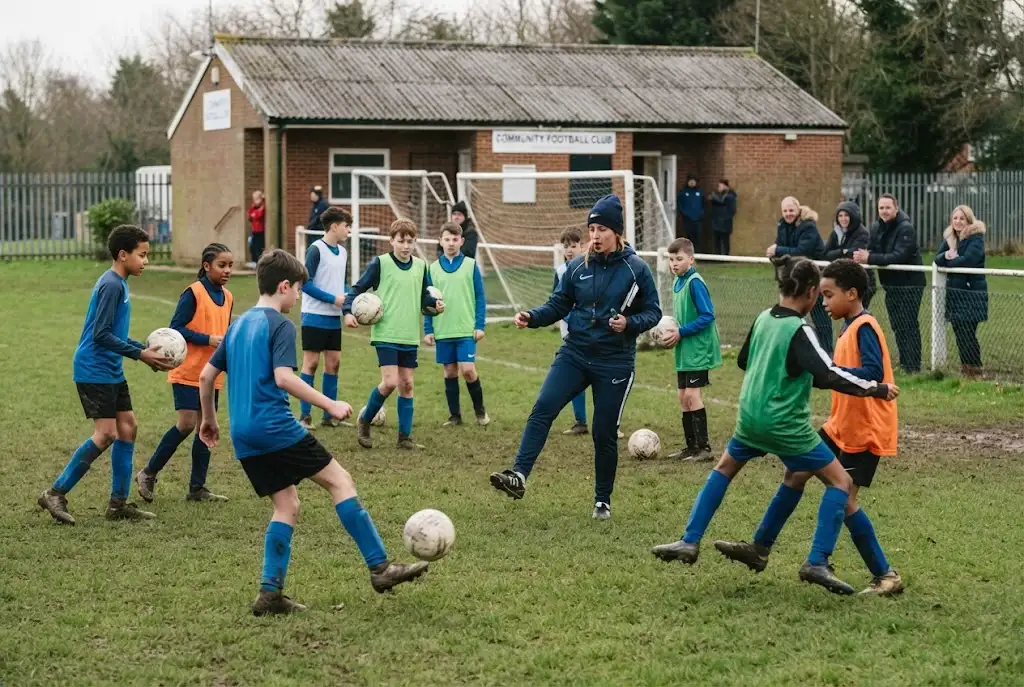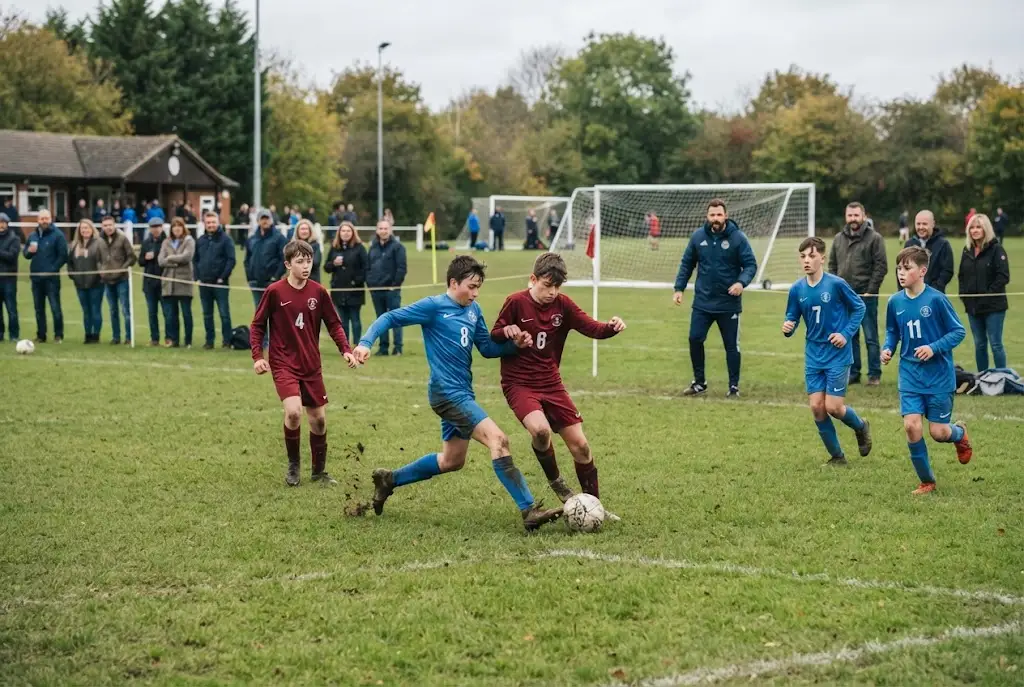
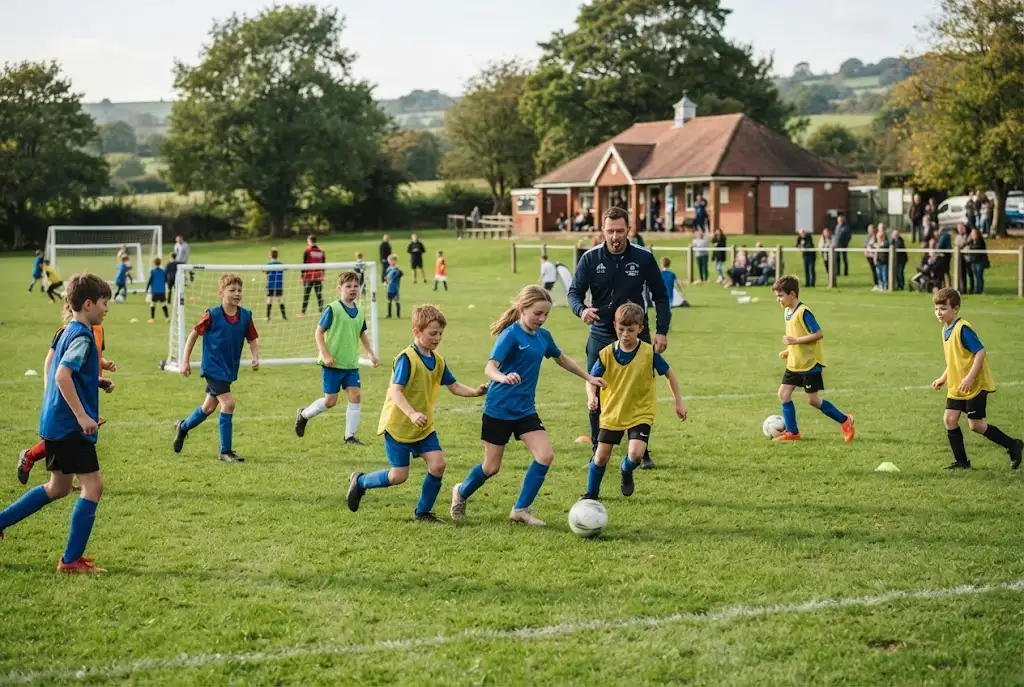
Football for kids can be a great way for children to stay active, build confidence, make friends and develop a lasting interest in sport. For many young players, the first football session is not about becoming an elite athlete. It is about discovering the enjoyment of kicking a ball, playing with others and learning new skills.
As children become more experienced, football can introduce them to teamwork, communication, decision-making and healthy competition. The right environment can also help young players develop their technical ability while keeping the experience enjoyable and appropriate for their age.
Parents have an important role to play, particularly when choosing a club, academy, coaching programme or local football activity. The best option is not necessarily the most advanced one. It is the environment that gives a child suitable challenges while allowing them to enjoy learning and playing.
What Is Football for Kids?
Football for kids refers to football activities designed specifically for children and young players. These can include introductory sessions, grassroots teams, school football, community programmes, development centres and academy environments.
The structure of children’s football can vary considerably depending on age and ability. Younger children may spend more time developing basic movement, coordination and ball skills, while older players can gradually experience more tactical instruction and competitive match situations.
The most important consideration is that activities should be suitable for the child’s stage of development. Children should have opportunities to learn without being placed under unnecessary pressure to perform like adults.
Why Football Is Good for Children
Regular participation in football can provide benefits that extend beyond the pitch. Children can develop physical skills while learning how to interact with teammates and respond to different situations.
Physical Activity
Football encourages children to run, change direction, balance, jump and coordinate their movements. Regular activity can form part of a healthy and active lifestyle.
Confidence
Learning a new football skill can give children a sense of achievement. Successfully controlling a pass, completing a dribble or contributing to a team can gradually build confidence.
Teamwork
Football naturally teaches children that individual actions affect other players. Passing, communicating, defending and supporting teammates all require cooperation.
Decision-Making
Even simple children’s games can involve decisions. Players need to decide where to move, whether to pass, when to chase the ball and how to respond when possession changes.
Social Development
Football can help children make friends and become comfortable participating in a group. Being part of a team can also introduce young players to responsibility, cooperation and respect for others.
How Children’s Football Should Change With Age
Children do not all develop at the same rate. Consequently, football programmes should adapt as players become older and more experienced.
Early Years
For very young children, sessions should be simple, active and enjoyable. Games involving basic movement, ball control and exploration can help children become comfortable with the football.
At this stage, long tactical explanations are unlikely to be useful. Children generally benefit from short activities, demonstrations and plenty of opportunities to interact with the ball.
Developing Young Players
As children gain experience, coaches can introduce more structured passing, dribbling, finishing and small-sided games. Players can begin to understand concepts such as space, supporting teammates and defending.
Older Youth Players
Older players can gradually move towards more detailed tactical education, positional responsibilities and competitive football. Training may become more demanding as players develop physically and technically.
However, enjoyment should remain an important part of the experience at every age.
Little Football: Why Simple Games Matter
Little football can provide young children with an accessible introduction to the sport. Simple games allow children to experiment with movement, ball control and interaction with teammates without overwhelming them with complicated instructions.
Small-sided activities can also give children more involvement. Instead of waiting for long periods for a chance to touch the ball, players can have frequent opportunities to pass, dribble, defend and make decisions.
This type of environment can help children become comfortable with the basic rhythms of football before progressing into more structured competition.
What Makes a Good Football for Kids Programme?
Parents often have many options when looking for children’s football activities. Several factors can help identify a positive programme.
Age-Appropriate Coaching
The coach should understand how children learn and communicate at the relevant age. Training should be challenging without becoming unnecessarily complicated or demanding.
Qualified and Responsible Coaches
Parents should consider the experience and qualifications of coaches working with children. Just as importantly, coaches should demonstrate patience, professionalism and an understanding of child welfare.
Positive Environment
Young players should feel comfortable making mistakes. Football involves learning through trial and error, so a child who is constantly afraid of being criticised may become less willing to experiment.
Meaningful Playing Time
Children need opportunities to play in order to develop. A programme that focuses exclusively on a small number of stronger players may not provide the development experience every child needs.
Enjoyment
Perhaps the simplest test is whether the child enjoys attending. A young player who looks forward to training is more likely to remain engaged and continue developing.
Football Coaching for Kids
Good football coaching gives children structured opportunities to develop their technical and tactical abilities. However, youth coaching should not simply copy adult football training.
Children need activities that match their stage of development. Coaches can use games and challenges to teach skills while allowing players to discover solutions themselves.
For example, instead of explaining every possible passing option, a coach might create a small-sided game that encourages players to find space and support the ball carrier. This makes learning more active and can help children understand why a particular decision works.
Football for Kids and Grassroots Clubs
Grassroots football can provide an excellent starting point for children who want to play regularly. Local youth clubs can offer organised training, matches and a sense of community.
Our guide to youth football clubs looks at the role these organisations can play in developing young players and providing regular opportunities to participate.
Grassroots football can also be a useful foundation for children who later want to explore more advanced development programmes. There is no requirement for every child to enter an academy at an early age.
Should Young Children Join a Football Academy?
Parents sometimes assume that an academy is automatically the best option for a talented child. That is not necessarily the case.
A structured football academy can provide advanced coaching and competitive opportunities, but the suitability of an academy depends on the individual player.
Some children thrive in competitive environments, while others develop more confidently through grassroots football or community programmes. The right decision should consider the child’s age, personality, ability, enjoyment and practical circumstances.
Football for Kids and Player Development
Player development should be viewed as a long-term process. Children may improve quickly in one area while taking longer to develop another.
For example, a child may have excellent coordination and ball control but need more time to develop tactical awareness. Another player may understand space well but require additional technical practice.
Coaches should therefore avoid treating every child identically. Appropriate challenges can help players progress without creating unnecessary comparisons.
How Parents Can Support Children’s Football
Parents can have a major influence on how children experience football. Support does not need to mean constant coaching or pressure to win.
One of the most useful things parents can do is encourage regular participation while allowing coaches to handle technical instruction. Children can become confused when they receive constant tactical instructions from the touchline that differ from what their coach has taught them.
Parents can also help by ensuring children have appropriate equipment, arrive on time and have enough opportunity to rest between demanding activities.
After a match, asking whether the child enjoyed the game or what they learned can be more constructive than focusing only on the result.
How to Keep Football Fun for Children
Enjoyment is particularly important during the early years. If every training session becomes a test of performance, children may begin to associate football with pressure rather than enjoyment.
Games, challenges and varied activities can keep sessions engaging. Coaches can also give players opportunities to try different positions rather than defining their role too early.
Allowing children to experiment can help them discover different aspects of the game. A child who usually plays in defence may discover an interest in attacking, while an attacking player may learn valuable lessons from experiencing defensive responsibilities.
When Should Children Start Competitive Football?
There is no single age at which every child should begin competitive football. Some children enjoy organised matches early, while others are more comfortable starting with informal games and training.
The important consideration is whether the competition is appropriate for the child’s development and whether the experience remains positive.
Competitive football can teach children how to handle pressure, cooperate with teammates and respond to setbacks. However, results should not become more important than development and enjoyment.
Preparing Kids for Football Academy Trials
As children become more experienced, some may want to attend an academy assessment. Parents should explain that a trial is an opportunity to experience a different football environment rather than a final judgement on the child’s ability.
Our guide to football academy trials explains what young players can expect during assessments and how they can prepare.
Before attending a trial, children should continue normal training, rest properly and arrive with the required equipment. Most importantly, they should be encouraged to listen, work with teammates and enjoy the opportunity.
Football Scouting and Young Players
Some children eventually attract attention from coaches or scouts through grassroots football, academy matches or development programmes. Parents should be cautious about putting too much emphasis on being discovered.
Good football scouting considers many aspects of a player’s performance. Technical ability is important, but scouts can also assess movement, decision-making, attitude, teamwork and potential.
A young player does not need to spend every match trying to impress an imagined scout. Consistent development is a more sustainable approach.
Common Mistakes Parents Make With Children’s Football
Supporting a child’s football journey can be challenging. Well-intentioned parents can sometimes create pressure without realising it.
- Focusing only on winning: Results are only one part of youth football.
- Comparing children: Players develop at different rates.
- Constant sideline coaching: Too many instructions can distract players.
- Specialising too early: Young children can benefit from experiencing different positions and activities.
- Ignoring enjoyment: A child who stops enjoying football may lose interest altogether.
- Expecting professional football: Academy participation does not guarantee a professional career.
Creating a Positive Long-Term Football Journey
The strongest youth football environments combine enjoyment with meaningful development. Children should have regular opportunities to practise, play matches, make decisions and learn from coaches.
As they grow, some players may want to pursue more competitive football. Others may simply enjoy playing with friends. Both outcomes can be positive.
The objective of children’s football should therefore be broader than producing professional players. It should help children develop a healthy relationship with sport and give them skills that can remain useful throughout their lives.
Final Thoughts on Football for Kids
Football for kids can provide much more than an introduction to one of the world’s most popular sports. It can help children become more active, confident, cooperative and comfortable making decisions in a team environment.
The best programme is one that matches the child’s age, ability and personality while providing appropriate coaching and plenty of opportunities to play. Grassroots clubs, community sessions, schools and academies can all have a place in the wider development pathway.
For parents, the most valuable approach is to support rather than pressure. Give children opportunities to play, allow coaches to coach, celebrate improvement and keep the experience enjoyable. When young players enjoy football, they are more likely to keep learning and continue developing for years to come.