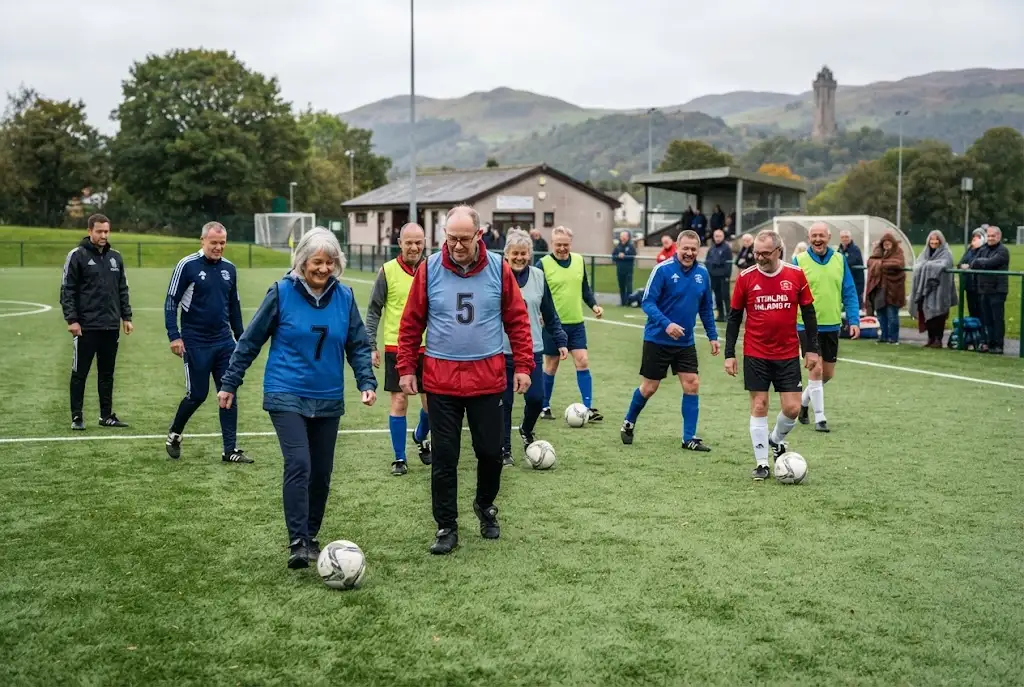
Walking football offers a slower-paced way to stay involved in the game while enjoying regular exercise, social interaction and team football. It has become an established part of the football participation landscape in Scotland and across the UK, giving adults an opportunity to continue playing even when traditional competitive football may no longer suit their lifestyle, fitness level or circumstances.
Although the pace is different, the basic appeal remains familiar: players train together, pass the ball, create chances, defend, communicate and enjoy being part of a team. For people returning to football after a long break, as well as those looking for a new way to stay active, walking football can provide an accessible route back onto the pitch.
What Is Walking Football?
Walking football is a modified form of football in which players walk rather than run during play. The format is designed to provide a more controlled version of the game while retaining many of the technical and social elements that make football enjoyable.
Exact rules can vary between competitions, leagues and recreational sessions. Some programmes may use smaller pitches, smaller goals or other adaptations to suit participants. This means players should check the rules of their local session before taking part.
The Scottish FA includes walking football within its Play Football participation offering, alongside other forms of the game.
Who Can Play Walking Football?
Walking football is commonly associated with older adults, but there is no single profile that defines every participant. Sessions can attract people who have played football throughout their lives, former players returning after many years and beginners who simply want to become more active.
Age requirements and eligibility vary between providers, so anyone interested should check the specific session before attending. Some programmes may be aimed at particular age groups, while others are open to a broader range of adults.
This flexibility is one reason walking football can complement the wider football participation pathway. Younger players may begin through grassroots or schools football, while adults can continue participating through different community formats as their circumstances change.
Walking Football for Fitness and Social Connection
One of the attractions of walking football is that it combines physical activity with the social side of playing in a team. Participants have an opportunity to move regularly, practise football skills and interact with other people during training and matches.
The Scottish FA has highlighted walking football as one way of maintaining engagement with football throughout life. Its published material has also discussed the physical and social benefits associated with continued participation.
That social element can be particularly valuable for people whose connection with organised football has reduced because of work, family commitments, injury or simply the passage of time. A regular session creates a reason to get out, meet other players and maintain a connection with the sport.
How to Find Walking Football Near Me
If you search for walking football near me, you may find sessions offered by football clubs, community trusts, local sports organisations and other grassroots providers. However, search results alone do not always tell you whether a particular session is suitable for your age group or experience level.
Start by checking local football clubs and community football organisations. In Scotland, the Scottish FA operates six regions covering the country and provides regional contacts for the non-professional game.
You can also look for community programmes connected to established football clubs. Scottish FA club case studies have documented clubs using walking football as part of wider community activity. For example, Annan Athletic has operated a walking football team as part of its community engagement work.
Before attending a session, check the location, session times, age requirements, cost, equipment and whether beginners are welcome. A quick conversation with the organiser can also help you understand whether the format is recreational or more competitive.
Womens Walking Football Near Me
Women looking for womens walking football near me can search specifically for women’s sessions as well as mixed walking football programmes. Availability differs between locations, so it is worth checking local clubs, community trusts and football organisations for current opportunities.
A women’s-only session may appeal to players who prefer a dedicated environment, while mixed sessions can provide another way to meet local players. Neither option is automatically suitable for everyone, so the best choice depends on personal preference, local availability and the structure of each programme.
When contacting a provider, ask whether the session is exclusively for women, whether beginners can attend and whether there are any age or registration requirements.
Veterans Football Near Me
People searching for veterans football near me may find both walking football and other forms of veterans’ football. These should not automatically be treated as the same activity.
Veterans’ football can refer to football organised for former or older players, while walking football specifically uses a walking-based format. Some veterans may prefer traditional veterans’ football, whereas others may find walking football more suitable.
If you have previously played competitive football, ask the organiser about the pace, pitch size, contact rules and general level of the session. This will give you a clearer idea of whether it matches what you are looking for.
Over 50s Football Near Me
The search term over 50s football near me is another useful way for older players to find local participation opportunities. Walking football is one option, particularly for people who want a reduced pace while retaining the technical aspects of the game.
However, age categories vary between providers. Some sessions may have minimum age requirements, while others may be open to a wider group of adults. Always check the current eligibility rules directly with the organiser.
For someone returning to football after several years away, a recreational walking football session may also be an easier starting point than immediately joining a competitive league.
What Happens at a Walking Football Session?
A typical session can include a mixture of warm-ups, technical exercises, small-sided games and organised matches. The exact structure depends on the provider and the experience of the group.
Players may work on passing, receiving, movement, ball control and finishing before progressing into game situations. Because running is replaced by walking, players need to think about positioning and passing rather than relying solely on pace.
This can make the format technically interesting. Good communication, awareness and decision-making remain important even when the physical intensity is different from conventional football.
Is Walking Football Suitable for Beginners?
Walking football can be a useful option for beginners, but every session is different. Some groups are specifically designed to be recreational and welcoming to people who have limited recent football experience. Others may attract experienced former players and have a faster technical level.
If you have never played before, tell the organiser when making contact. They can explain whether the session is appropriate and what you should bring.
You normally do not need to arrive with advanced football skills. Learning how to control the ball, pass accurately and understand positioning can happen gradually through regular participation.
Walking Football and the Wider Football Community
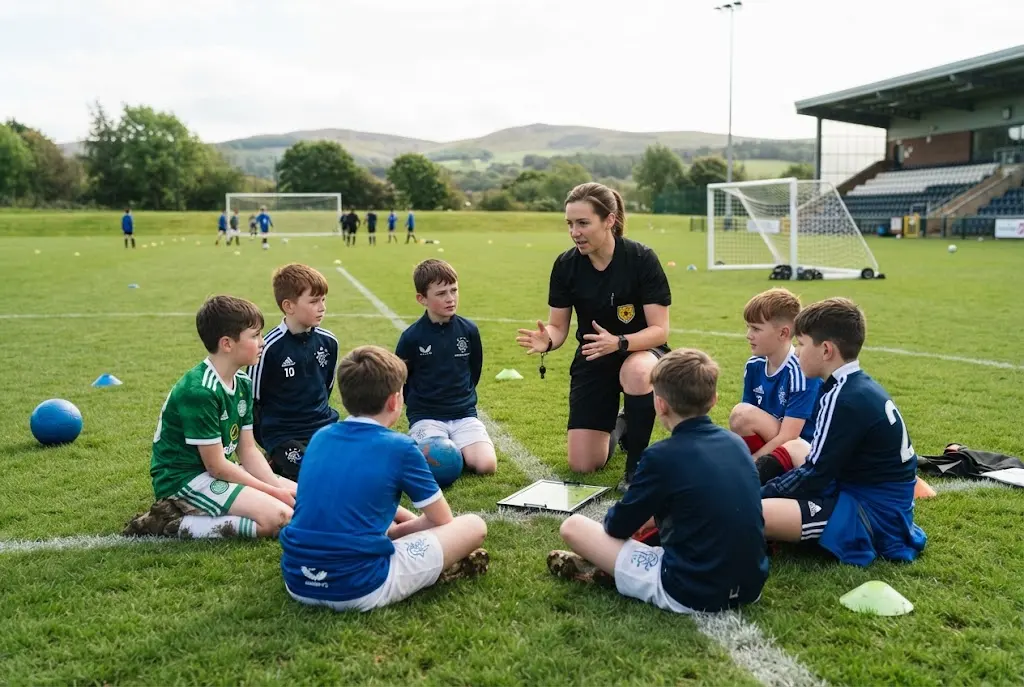
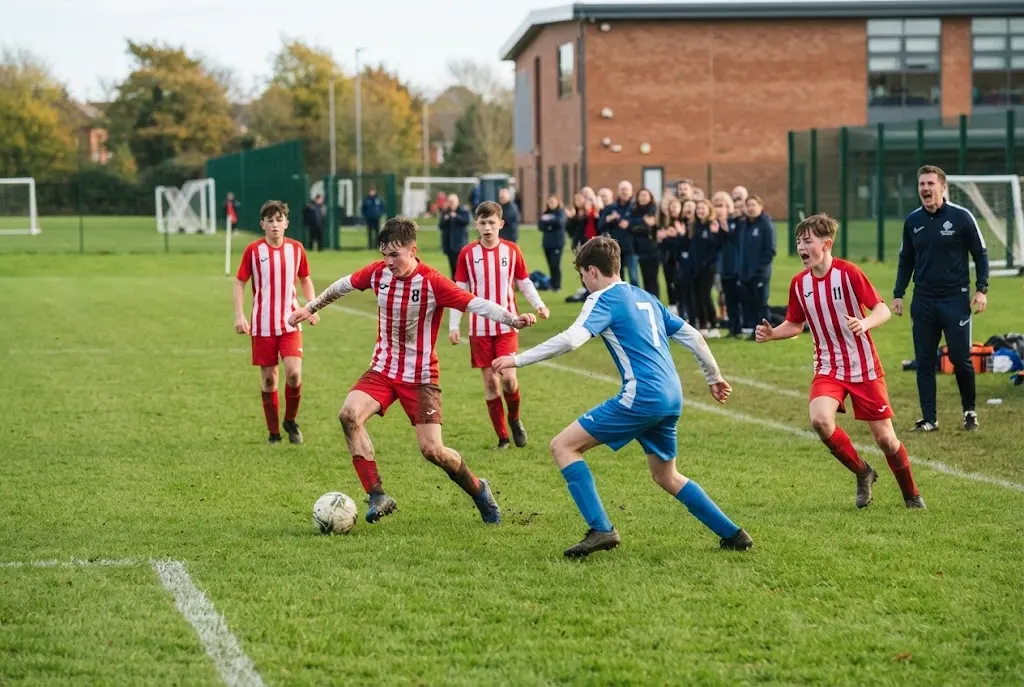
Football does not have to follow one single pathway. Children can begin through grassroots development, school programmes and academy environments, while adults can remain involved through recreational, community and specialist formats.
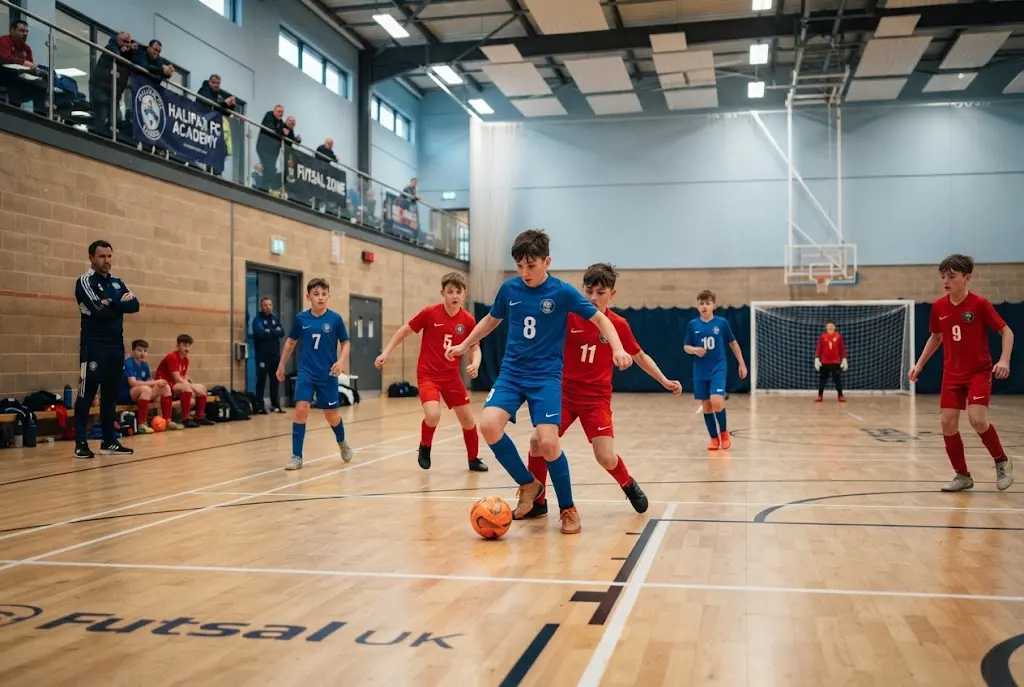
Other forms of the game can also develop different skills. Futsal, for example, provides a smaller-sided environment that can encourage close control, quick passing and fast decision-making. Players interested in inclusive participation can also explore disability football and the opportunities available through different adapted forms of the sport.
Understanding the football rules can also help players moving between different formats, although modified versions of football may have their own specific regulations.
Getting Started With Walking Football
If you are considering walking football, the first step is to find a local session and contact the organiser. Ask about age requirements, session format, playing level, facilities, cost and whether you can attend an introductory session.
Do not assume that the closest session will necessarily be the right one. A slightly different location may offer a better schedule, a more suitable age group or a format that matches your experience.
For people returning to football, the important thing is finding a sustainable way to stay involved. Walking football provides one option for continuing to play, meet other football fans and remain connected with the sport.
With the Scottish FA continuing to include walking football within its football participation offering, the format forms part of a broader approach to keeping people engaged with the game at different stages of life.
Whether you are searching for women’s walking football near me, veterans football or over 50s football, checking local providers directly is the best way to establish what is currently available in your area.