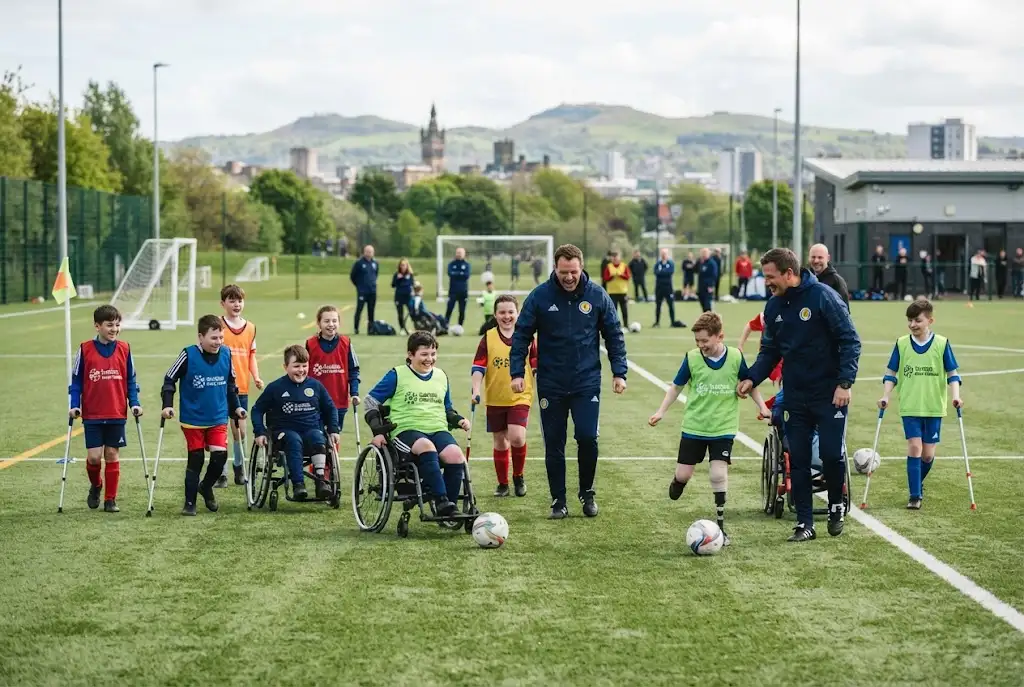
Disability football provides opportunities for people with different physical, sensory, learning and other support needs to enjoy the game, develop their skills and take part in a football community. Across the UK, football is available through a range of adapted formats, inclusive clubs, community programmes and specialist pathways.
For young players in particular, accessible football can provide an important route into sport. It can support confidence, social connection, physical activity and football development while allowing players to participate in an environment suited to their individual needs.
What Is Disability Football?
Disability football is a broad term covering different forms of football designed or adapted to provide opportunities for players with disabilities. The format can vary considerably depending on the participants and the type of football being played.
In Scotland, the Scottish Football Association uses the term Para-Football for a range of football disciplines and participation opportunities. Scottish Para-Football brings together different forms of the game under an inclusive framework, including amputee football, autism football, deaf football, powerchair football, PAN disability football, frame football and cerebral palsy football.
The aim is not to create one single version of football for everyone. Instead, different formats can provide appropriate opportunities for people with different circumstances and requirements.
How Disability Football Creates More Opportunities
Traditional football environments do not always provide the right setting for every player. Adapted programmes can remove some of the barriers that may otherwise prevent people from participating.
Depending on the format, this may involve modified rules, different equipment, alternative playing surfaces, smaller-sided games or additional support from appropriately trained coaches.
For children and young people, these adjustments can make football more accessible without taking away the fundamental enjoyment of playing, learning and competing.
Different Formats for Different Players
There is no single approach that suits every participant. For example, powerchair football provides opportunities for wheelchair users, while frame football is designed for young people who use a walking frame or similar mobility aid.
Other formats support players with conditions affecting hearing, vision, movement, learning or communication. Scottish Para-Football also recognises disciplines such as mental health football, where football can form part of wider health and wellbeing activity.
This variety is important because accessibility in football is not simply about changing one rule. It is about creating suitable pathways for people with different needs.
Disability Football for Children and Young Players
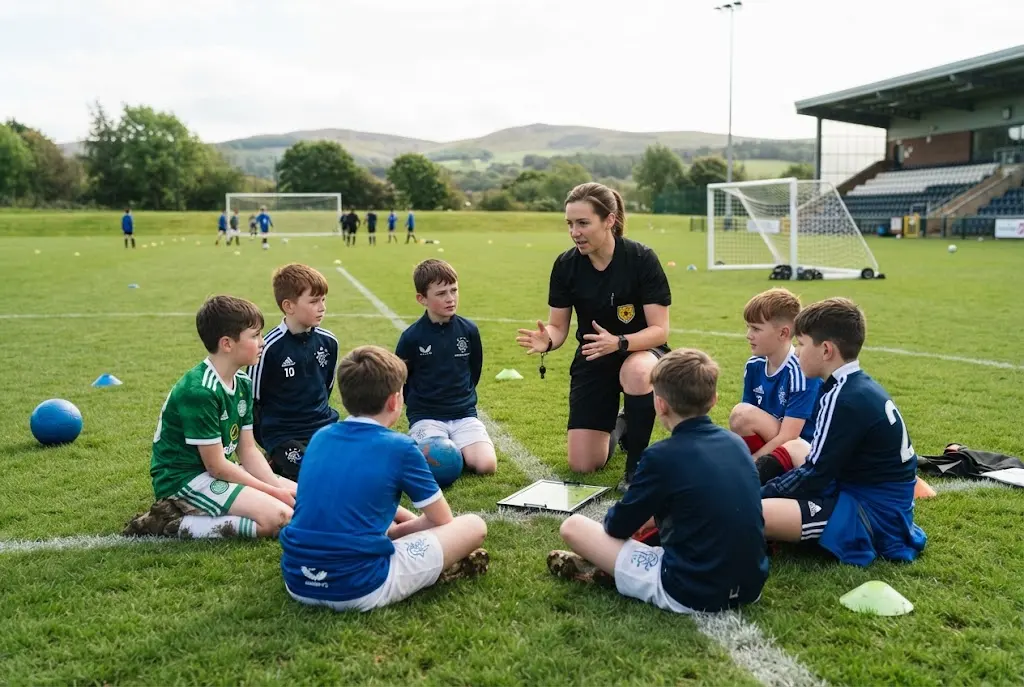
Youth development is an important part of building an inclusive football environment. Young players should have opportunities to learn basic football skills, build confidence and develop relationships with teammates in a setting where they feel supported.
Schools, community organisations, football clubs and specialist programmes can all contribute to this pathway. In Scotland, initiatives involving schools and clubs have previously been used to create disability football sessions for children with a range of support needs.
For families, finding the right programme can therefore be about more than simply locating a pitch. Parents may want to understand the age range, coaching approach, facilities, playing format and level of support available before attending a session.
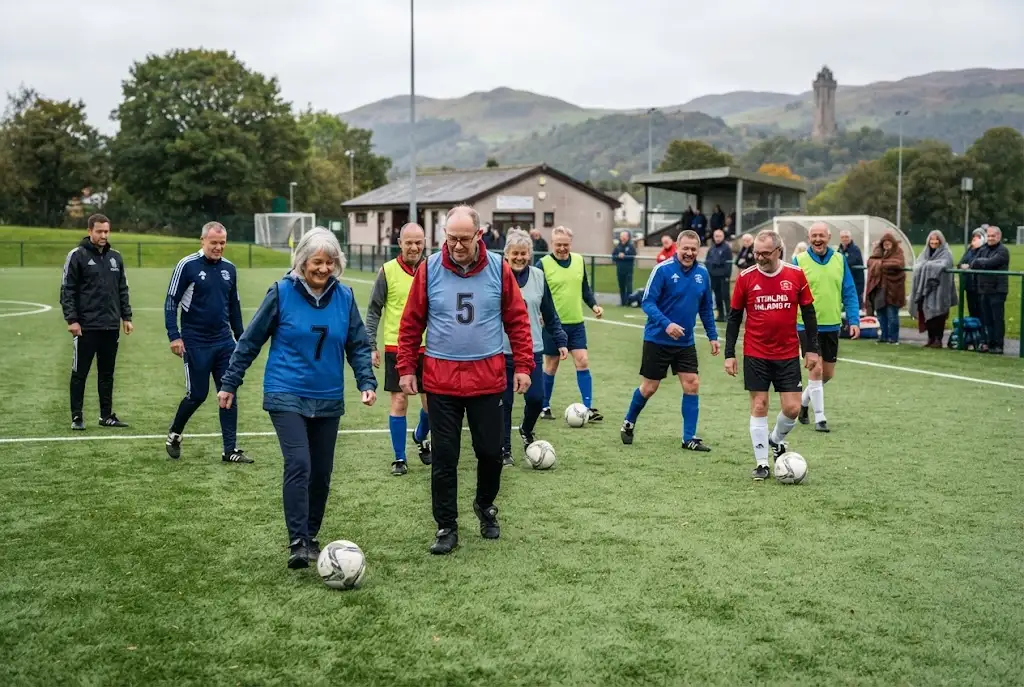
Those considering wider youth football opportunities can also explore related subjects such as walking football, futsal and schools football to understand how different forms of the game can serve different audiences.
Finding Disabled Football Clubs
Searching for disabled football clubs can be a useful first step for players and families looking for local opportunities. However, the best programme will depend on the player’s age, disability, experience and preferred format.
Scottish Para-Football provides information about several disciplines and participation pathways across Scotland. Its network includes opportunities covering different disabilities and adapted forms of football, making it a useful starting point for understanding the options available.
Local football clubs and community trusts can also be worth contacting directly. Some clubs may provide inclusive sessions, while others may work with specialist organisations that deliver programmes at their facilities.
When contacting a club, it can be helpful to ask about session times, age groups, coaching experience, accessibility, equipment requirements and whether a player can attend an introductory session before committing to regular participation.
Why Inclusive Football Matters in Youth Development
Football can offer benefits that extend beyond what happens during a match. Regular participation can create opportunities for young people to practise communication, teamwork and decision-making while developing their football abilities.
An inclusive football environment can also help players feel connected to their local sporting community. For parents and carers, a welcoming club can provide an opportunity to meet other families and become part of a wider support network.
The Scottish FA has previously highlighted inclusion and accessibility as important parts of football development. Its Para-Football work covers multiple disciplines and aims to increase opportunities for people of different abilities to participate in the game.
What Should Parents Look For?
Parents searching for disability football for a child should consider whether the programme matches the player’s individual circumstances rather than choosing a session based only on location.
Important questions can include:
- What age groups does the programme support?
- What type of football is provided?
- Are coaches experienced in inclusive or Para-Football environments?
- Are the facilities accessible?
- What level of physical or communication support is available?
- Does the player need to bring specialist equipment?
- Can the player attend a trial or introductory session?
These questions can help families identify an environment where the player can participate comfortably and develop at an appropriate pace.
Disability Football and the Wider Football Pathway
Inclusive football should not be viewed as separate from the wider development of the sport. Players can experience different formats as their interests, abilities and circumstances develop.
For some participants, a community session may be the first step. Others may progress into regular club football, competitions or specialist representative pathways. The most important element is having suitable opportunities available at each stage.
This wider approach is also relevant to football education. Young people can learn the football rules, practise technical skills and experience different versions of the game while developing an understanding of teamwork and sportsmanship.
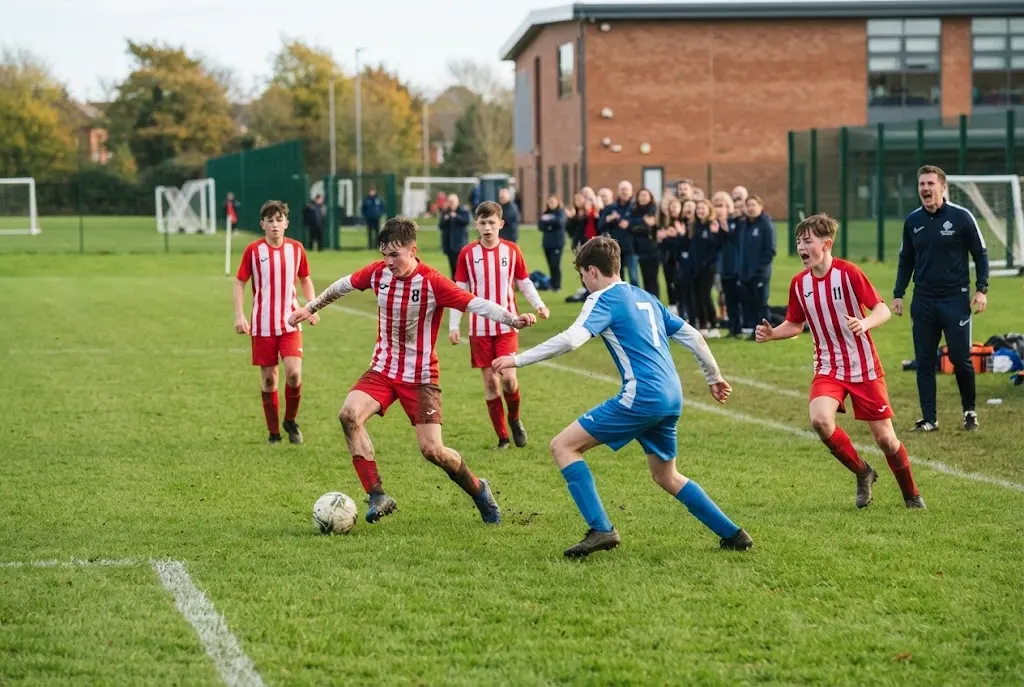
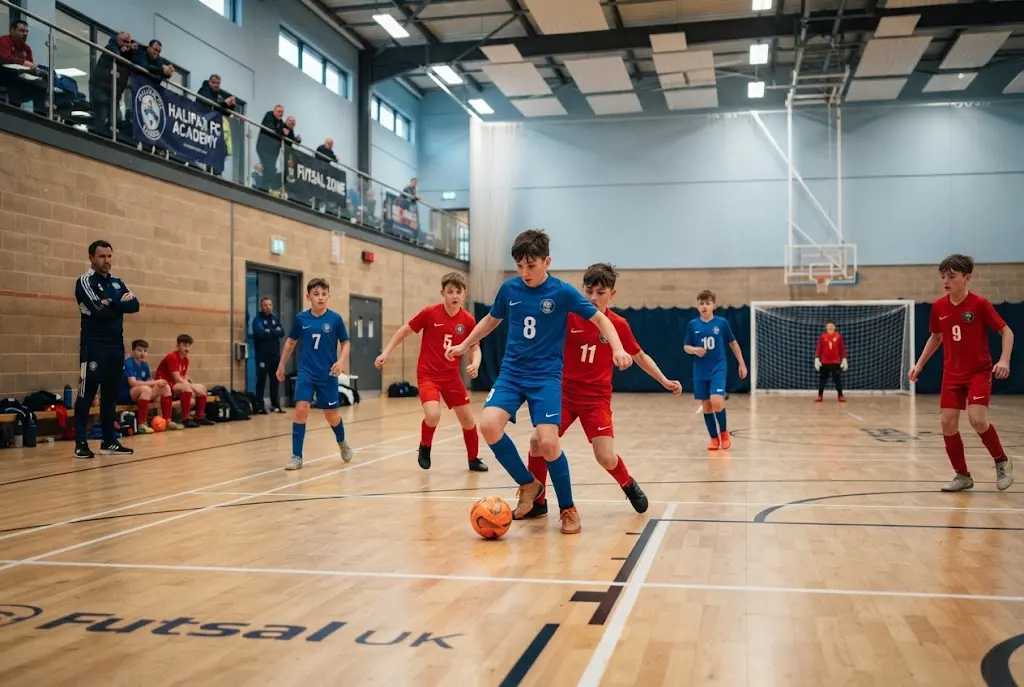
Other forms of football can complement these experiences. For example, schools football can introduce children to organised competition, while futsal can provide a smaller-sided environment that emphasises close control, passing and quick decisions.
The Future of Disability Football
The continued development of disability football depends on accessible facilities, knowledgeable coaches, supportive clubs and clear pathways for participants. It also requires families and players to know where opportunities exist and how to access them.
In Scotland, the development of Scottish Para-Football demonstrates how different disciplines can be brought together under a wider football structure. Its current programme includes several forms of Para-Football and promotes participation for people with different abilities.
For clubs working with young players, creating an inclusive environment can therefore form an important part of community football development. The objective is simple: provide meaningful opportunities for people to enjoy football, develop their abilities and feel part of the game.
Getting Started With Disability Football
If you or your child is interested in disability football, start by identifying local clubs, community trusts and recognised football organisations that provide suitable sessions. Ask about the format, age group, facilities and support available before attending.
There may not be one programme that suits every player, so taking time to find the right environment is worthwhile. With different forms of Para-Football available, players can explore opportunities that match their individual circumstances while enjoying the same fundamental qualities that make football such a popular sport.
For young people and families exploring the wider football landscape, related topics such as walking football, futsal, schools football and football rules can provide useful context around the many ways people can engage with the game.
For official information about Para-Football in Scotland, players and families can visit Scottish Para-Football, which provides information about different disciplines and participation opportunities.