
Football scouting plays an important role in identifying young players who may have the ability and potential to progress into more competitive levels of the game. Scouts watch matches, attend development events, assess individual performances and communicate observations to coaches and clubs. For young footballers and their parents, understanding the scouting process can make the pathway into academy football feel much clearer.
However, scouting is not simply about finding the player who scores the most goals. Depending on the player’s position and age, scouts may assess technical ability, decision-making, movement, awareness, attitude, physical attributes and how effectively the player contributes to the team.
There is also no single route into academy or professional football. Some players are identified through grassroots football, while others may be noticed at development programmes, school competitions, academy fixtures or organised trials.
What Is Football Scouting?
Football scouting is the process of identifying and assessing players who could potentially contribute to a club or development programme. Scouts may work for professional clubs, academies, recruitment organisations or other football programmes.
The purpose of scouting can vary. A scout might be looking for a young player with long-term potential, an established footballer who could strengthen a squad, or a player with specific characteristics required for a particular position.
In youth football, the process is particularly focused on potential. Children and teenagers are still developing physically, technically and mentally, so scouts need to consider what a player may become rather than judging only what they can do at that particular moment.
How Does Football Scouting Work?
Scouting can involve repeated observations rather than one isolated viewing. A scout may watch a player during a match and record observations about their performance before deciding whether further assessment is appropriate.
Professional clubs can have structured recruitment systems in which scouting information is shared with academy staff and coaches. The exact process differs between organisations, but the underlying principle is similar: gather useful information and determine whether a player’s characteristics fit the club’s development needs.
Watching Competitive Matches
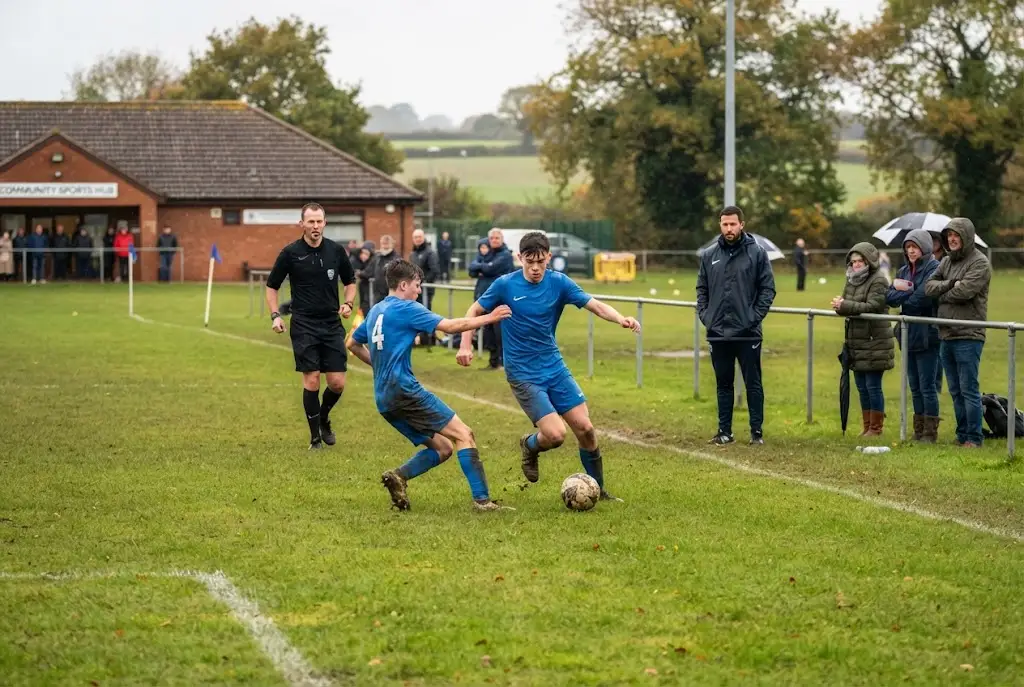
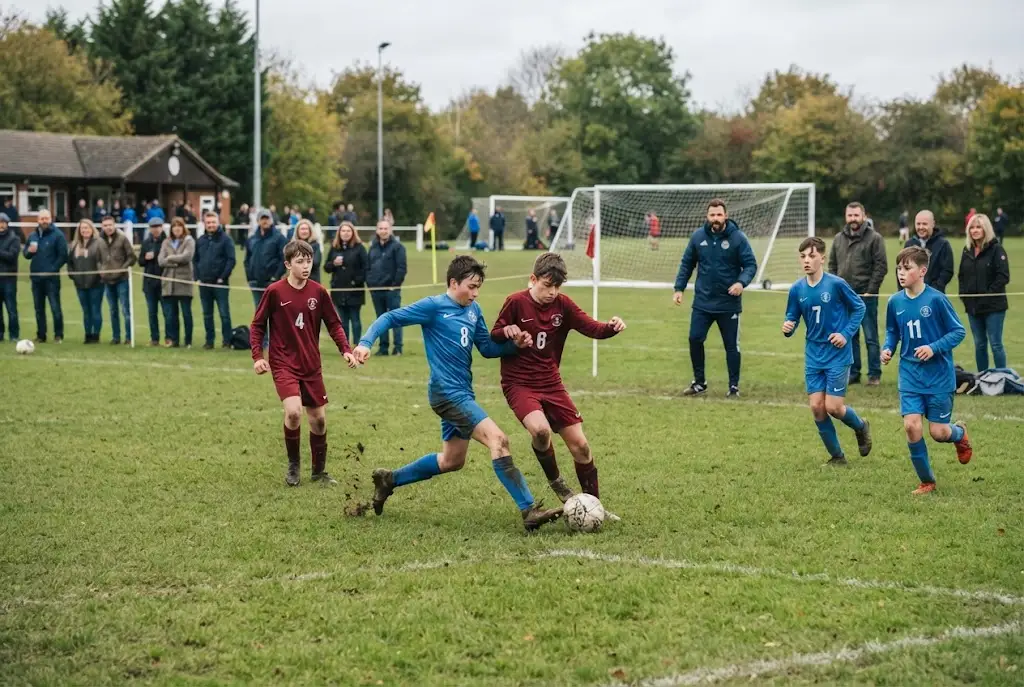
Scouts may attend grassroots fixtures, academy games, school competitions and other organised matches. Watching a player in a real game provides information that may not be visible during an individual skills exercise.
Assessing the Complete Performance
A scout may observe what happens when a player has possession as well as what they do without it. Movement, positioning, communication and reactions to changing situations can all provide useful information.
Recording and Sharing Observations
Scouting involves more than watching football. Observations may need to be recorded and communicated to other members of a recruitment or coaching team. This helps clubs compare players and determine which prospects deserve further attention.
What Do Football Scouts Look For?
There is no universal checklist that guarantees a player will attract a scout. Different positions, age groups and clubs can require different characteristics.
Technical Ability
First touch, passing, ball control, dribbling, finishing and defensive technique can all be relevant. Scouts generally need to consider how effectively a player applies technical skills during actual matches rather than simply whether the player can perform them in isolation.
Decision-Making
Football happens quickly. Players need to decide when to pass, when to carry the ball, when to move and when to defend. A technically gifted player who consistently makes poor decisions may be less effective than a player who makes simple but intelligent choices.
Awareness
Awareness is particularly valuable because it influences what players do before receiving the ball. Checking the surroundings, identifying space and recognising teammates can help a player make better decisions.
Movement
Scouts may watch how players position themselves when they do not have possession. Effective movement can create passing options, stretch opponents or help teammates.
Attitude and Work Rate
Players will make mistakes. What happens afterwards can reveal useful information. Working to recover possession, responding to coaching and continuing to compete after an error can demonstrate a positive approach.
Physical Development
Speed, agility, coordination and strength can influence performance. However, youth scouting needs to account for differences in physical maturity. A physically advanced child should not automatically be considered a better long-term prospect than a technically or tactically strong player who is developing later.
How to Get Scouted for Football
One of the most common questions from young players is how to get scouted for football. There is no guaranteed method, but playing regularly in organised and competitive environments can increase the number of opportunities for a player to be observed.
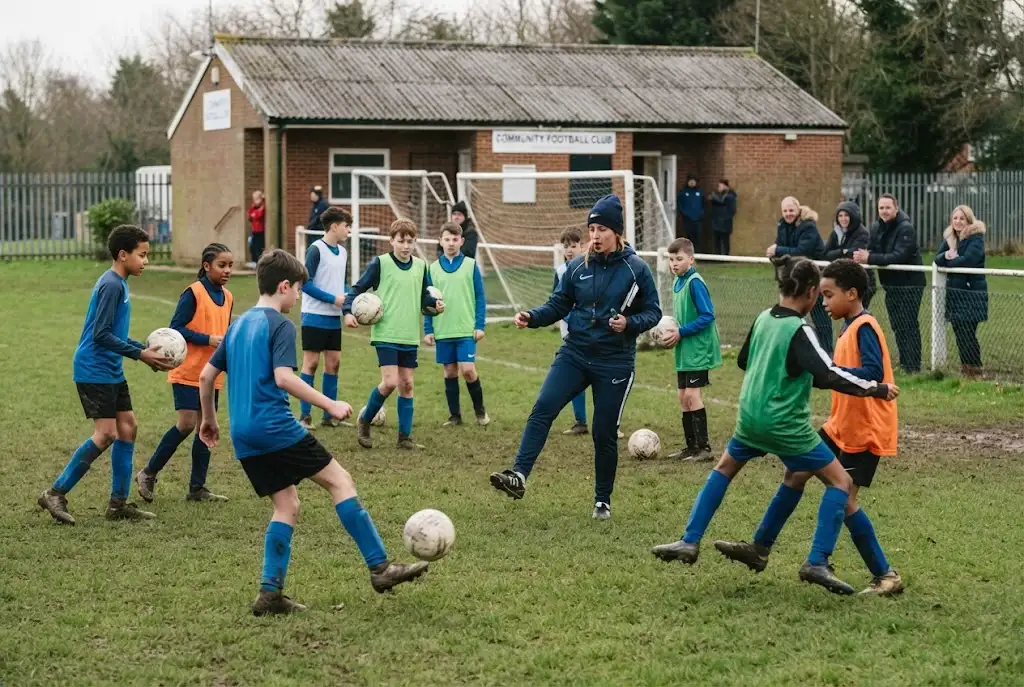
Grassroots football remains an important part of the development pathway. Players who regularly compete for youth clubs can gain match experience while developing their technical and tactical skills.
School football, development centres and academy fixtures can provide additional environments in which talented players may become visible to coaches and scouts.
Players should therefore focus on becoming better footballers rather than constantly trying to attract attention. A scout is more likely to gain useful information from a player who consistently makes good decisions and contributes to their team than from someone who spends the entire match attempting spectacular skills.
Do Football Academy Trials Help Players Get Noticed?
Football academy trials can provide another route for players to demonstrate their ability. During an assessment, coaches can observe technical skills, decision-making, movement, attitude and teamwork.
Our guide to football academy trials explains how these assessments work and how young players can prepare for them.
Players should remember that a trial is only one assessment opportunity. Not being selected does not necessarily mean that a player lacks potential. Development continues over many years, and players can progress through different routes.
Why Position Matters in Football Scouting
Scouts assess players in the context of their position. The qualities expected from a goalkeeper are obviously different from those expected from a central midfielder or winger.
Defenders
Defenders may need strong positioning, anticipation, communication, tackling technique and composure when building play from the back. A scout can also observe how effectively a defender handles one-on-one situations.
Midfielders
Midfielders often need awareness, passing ability, movement and decision-making. Their ability to receive the ball under pressure and help connect different areas of the team can be important.
Attackers
Forwards and attacking players may be assessed on finishing, movement, creativity and their ability to create or exploit space. However, defensive contribution and teamwork can also matter.
Goalkeepers
Goalkeepers require a distinct technical and tactical skill set. Handling, positioning, distribution, communication and decision-making can all form part of their assessment.
What Is a Football Scouting Course?
A football scouting course can introduce aspiring scouts to the principles and practical processes involved in player identification and assessment. Course content varies considerably, so anyone considering this career should research the provider and understand what qualification or learning experience is actually being offered.
Learning about football tactics, player analysis, recruitment processes and performance evaluation can be useful for people who want to develop their understanding of scouting.
Scouting is also a field in which practical observation matters. Studying theory is valuable, but aspiring scouts need to understand how to analyse real players and communicate useful observations clearly.
How to Become a Football Scout
People interested in learning how to become a football scout can approach the career from several directions. There is no single route that applies to every club or scouting role.
A strong understanding of football is essential. Aspiring scouts should learn to analyse matches rather than watching only for goals and highlight moments. Understanding formations, tactical roles, player responsibilities and different styles of play can improve the quality of an assessment.
Communication is equally important. A scout needs to explain what they observed and why it matters. Simply describing a player as “good” is not enough. Useful scouting reports should provide clear observations that coaches or recruitment staff can understand and evaluate.
Practical experience can also help. Watching youth football, analysing matches and developing structured notes can provide valuable experience for someone beginning to explore the profession.
Football Scouting and Youth Player Development
Scouting should not be separated from player development. Once a young player is identified, coaches need to understand what support will help that player progress.
This is one reason a strong academy environment needs more than talented players. Coaches, analysts, medical and welfare professionals and other staff can contribute to a broader development structure.
Our previous guide to football academy explains how structured academy environments can support technical, tactical, physical and personal development.
For younger players, the environment should also remain appropriate to their age. Children need opportunities to enjoy football, make mistakes and develop without unnecessary pressure.
Why Scouts Watch Players More Than Once
A single match can create a misleading impression. A player may have an exceptional game, struggle because of an unfamiliar position or perform below their usual level for many possible reasons.
Repeated observation can provide a more balanced picture. It allows scouts to see whether a player’s strengths are consistent and how they perform against different opponents.
This is especially relevant in youth football because development can be uneven. A player’s performance may change significantly as their technical ability, confidence and physical development evolve.
Does Being Scouted Guarantee Academy Selection?
No. Being watched by a scout does not necessarily mean that a player will receive an academy invitation or contract.
Scouting is part of a wider selection process. A club may compare several players, consider positional requirements, assess age-group needs and review how a player fits its development philosophy.
Parents should therefore be cautious about anyone promising guaranteed professional opportunities simply because a player has been “scouted”. Genuine progression takes time and depends on many factors.
How Parents Can Support a Young Player
Parents can help by creating an environment in which football remains positive and enjoyable. Encouraging regular participation, helping with practical arrangements and supporting healthy routines can all be useful.
It is usually better to let coaches provide technical feedback rather than attempting to coach the child from the touchline. Too many instructions from different adults can make football more stressful for a young player.
Parents should also understand that selection decisions are not permanent statements about a child’s ability. Young players develop at different rates, and there can be many changes throughout adolescence.
Common Football Scouting Myths
Several misconceptions can create unnecessary pressure for young players and families.
- “You must join a famous academy early.” Players can develop through grassroots and other football environments before progressing.
- “Scouts only care about goals.” Performance is assessed differently according to position and role.
- “One trial determines your future.” Development continues and players can have multiple opportunities.
- “Physical strength is everything.” Technical, tactical and psychological qualities also matter.
- “You need to perform tricks to stand out.” Intelligent and effective football can be more valuable than unnecessary showmanship.
Building a Sustainable Football Development Pathway
The most productive approach for a young footballer is to focus on steady improvement. Regular training, competitive matches and quality coaching can help players build the skills that scouts are looking for.
Players should also learn to reflect on their performances. After a match, consider what went well, what could improve and what decisions could have been different. This type of self-awareness can contribute to long-term development.
For children at an early stage, enjoyment should remain central. Our resources on football for kids explore how younger players can develop their relationship with the game through suitable and enjoyable football experiences.
Final Thoughts on Football Scouting
Football scouting is about identifying potential, understanding player performance and determining whether an individual’s qualities could fit a particular development pathway. For young footballers, the best way to increase opportunities is not to chase scouts but to become a more complete player.
Technical ability, decision-making, movement, teamwork, attitude and tactical understanding can all contribute to a strong performance. At the same time, players need patience because development rarely happens at exactly the same speed for everyone.
Whether a player eventually enters an academy, continues through grassroots football or follows another route within the sport, the fundamentals remain the same: keep learning, play regularly, respond positively to coaching and enjoy the game.