The football association is the governing body responsible for overseeing the development, organisation, and regulation of football at every level. From grassroots participation and youth academies to professional competitions and international football, football associations play a central role in ensuring the game remains fair, inclusive, and well-managed.
Whether you’re a player, coach, parent, volunteer, or football supporter, understanding how football associations operate provides valuable insight into the structure behind the world’s most popular sport.
What Is a Football Association?
A football association is the official governing organisation responsible for administering football within a country or region. It establishes the rules, oversees competitions, develops coaching standards, supports referees, promotes player welfare, and works to grow participation at every level.
Although each country has its own governing body, all football associations share similar objectives:
- Develop grassroots football
- Support youth player development
- Organise national competitions
- Register clubs and players
- Educate coaches and referees
- Promote fair play
- Protect player welfare
- Represent national football internationally
Why Football Associations Matter
Without organised governance, football competitions would struggle to operate consistently and safely. Football associations provide the framework that allows millions of people to participate in organised football every season.
Their responsibilities include:
- Setting competition regulations
- Maintaining disciplinary systems
- Developing coaching programmes
- Supporting youth football initiatives
- Managing referee education
- Promoting diversity and inclusion
- Investing in grassroots facilities
These efforts help maintain high standards across both amateur and professional football.
The Football Pyramid
Football associations oversee every stage of the player pathway.
This typically includes:
- Grassroots football
- Youth football clubs
- Academy football
- Amateur leagues
- Semi-professional competitions
- Professional leagues
- National teams
Each level plays an important role in developing players, coaches, referees, and volunteers.
Supporting Grassroots Football
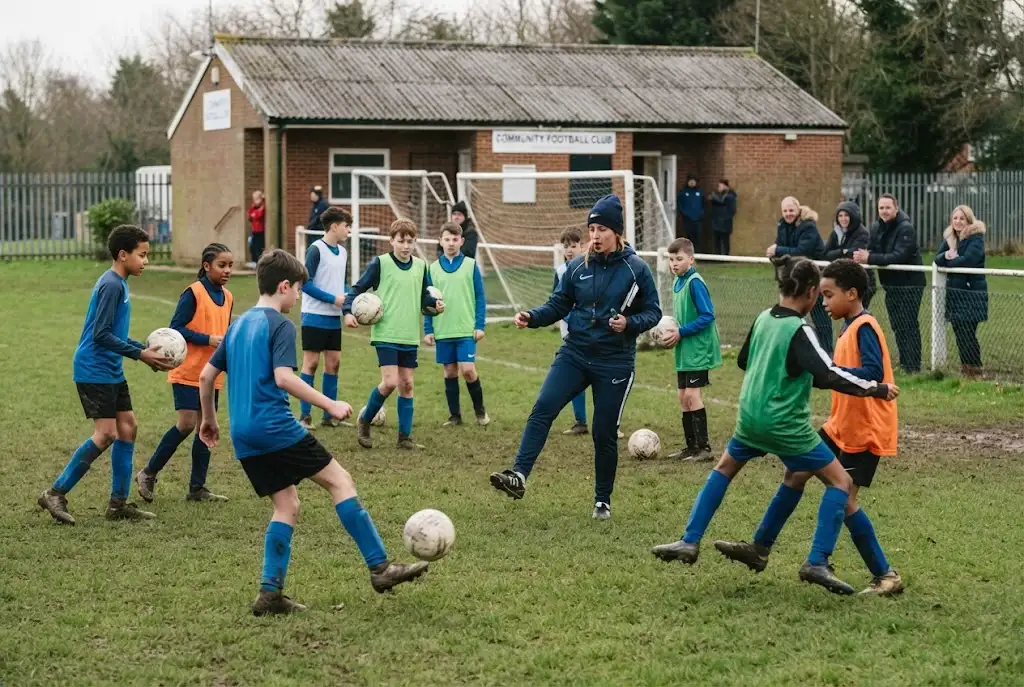
One of the most significant responsibilities of any football association is supporting grassroots participation.
This includes:
- Coach education programmes
- Funding community facilities
- Player registration systems
- Safeguarding initiatives
- Youth football development
- Club accreditation
Grassroots football forms the foundation of long-term player development and community engagement.
Families looking to introduce children to the game can begin by exploring our guide to youth football clubs, where young players develop the skills needed for future progression.
Coach and Referee Development
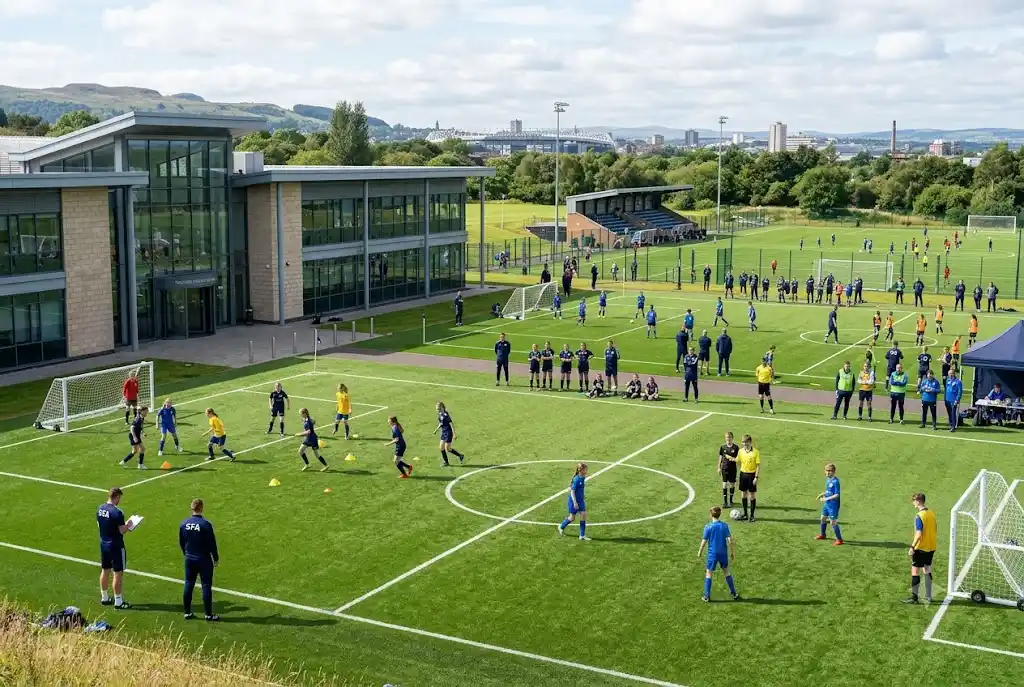
Football associations are responsible for educating coaches and referees through structured qualification programmes.
Coaching courses focus on:
- Player development
- Technical coaching
- Tactical understanding
- Sports science
- Safeguarding
- Leadership
Referee education ensures matches are officiated fairly and consistently across every level of competition.
Player Welfare and Safeguarding
Modern football places significant emphasis on player welfare. Football associations establish safeguarding policies designed to protect children, young people, and vulnerable participants.
Key priorities include:
- Safe coaching environments
- Background checks for volunteers
- Equality and inclusion policies
- Respect campaigns
- Mental wellbeing support
- Anti-discrimination initiatives
These measures help create positive experiences for everyone involved in football.
The Football Association Logo
The football association logo represents the identity and authority of a governing body. Official logos are protected trademarks and are used across competitions, coaching programmes, educational resources, and national teams.
Supporters should always use official sources when viewing or downloading association branding to ensure authenticity.
“The Home of Football”
The phrase “The Home of Football” is widely associated with the long history and heritage of English football, particularly Wembley Stadium and The Football Association (The FA). It reflects the country’s influence on the development of the modern game and its continued role in international football.
Football Associations Around the World
Every FIFA member nation has its own governing association responsible for football within its territory.
These organisations work together to:
- Organise international competitions
- Develop coaching standards
- Improve refereeing
- Support youth football
- Promote women’s football
- Encourage grassroots participation
This collaborative structure helps football continue to grow globally.
Football Associations and Amateur Football
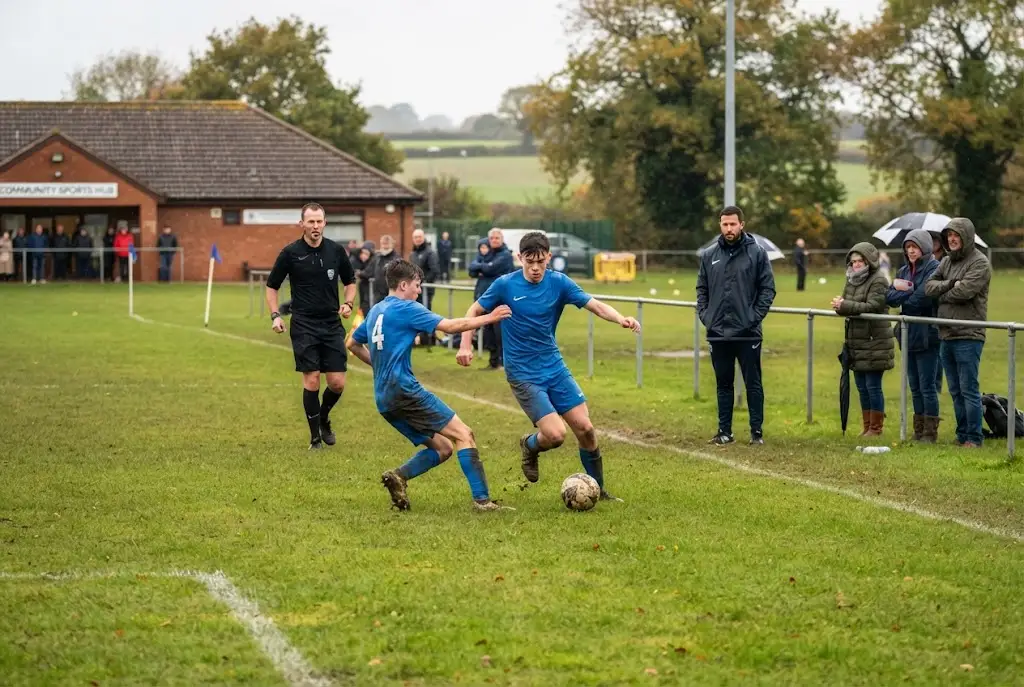
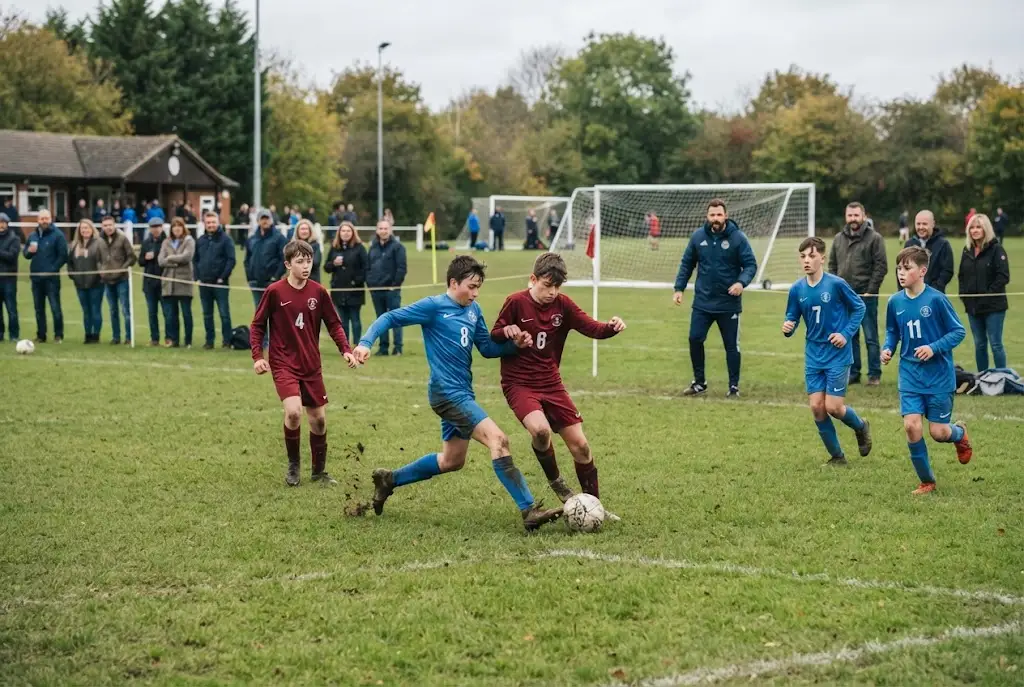
Football associations work closely with regional leagues to ensure amateur football is organised safely and fairly. League registration, disciplinary procedures, and competition rules all rely on effective governance.
Players interested in community competitions can learn more in our guide to amateur football, which explains how grassroots leagues operate across Scotland and the UK.
Supporting Future Generations
Football associations continue investing in youth academies, coach education, facility improvements, and community projects to strengthen the future of the game.
As participation increases, governing bodies remain essential for creating safe, inclusive, and enjoyable football environments for players of every age and ability.
Airdrieonians FC and Football Development
Airdrieonians FC supports the wider objectives of football development by encouraging youth participation, community engagement, and player progression. Working alongside national football structures helps create stronger pathways from grassroots football into academy environments.
Conclusion
The football association provides the leadership, governance, and support that keeps football organised at every level. From youth development and coach education to safeguarding, competitions, and national teams, football associations ensure the game continues to thrive for future generations. Their work strengthens grassroots football while creating opportunities for players, coaches, referees, volunteers, and communities across Scotland and beyond.