
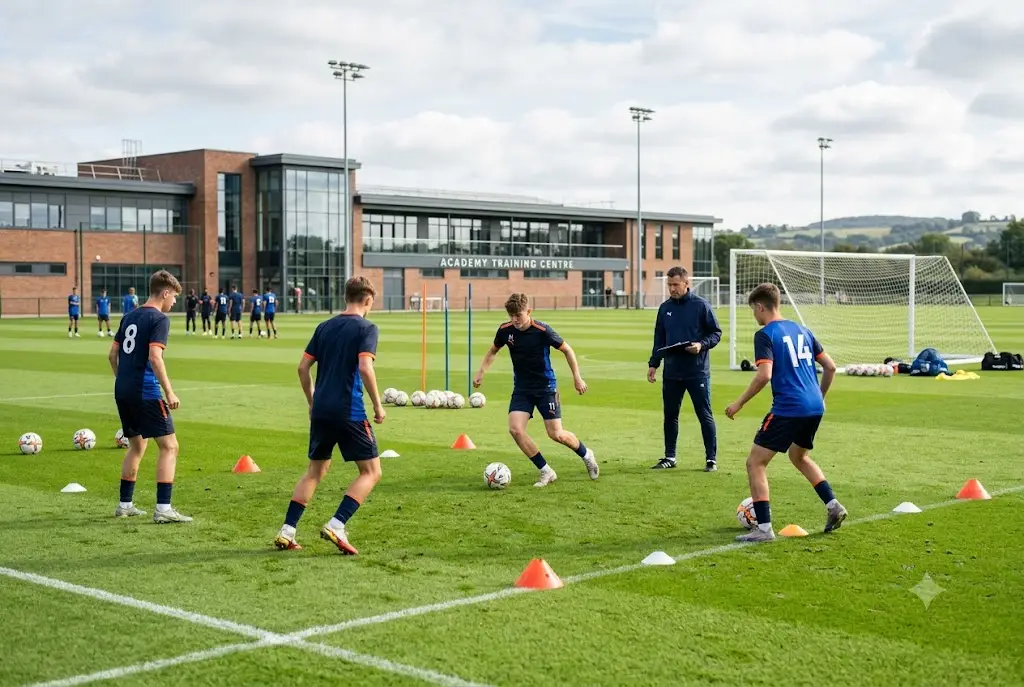
England youth football provides one of the world’s most structured player development systems. From grassroots clubs and professional academies to national youth teams, young footballers have clear opportunities to develop their skills, compete at higher levels, and potentially progress into senior professional football.
Every season, thousands of children begin their football journey in local clubs before advancing through academy programmes and age-group competitions. While only a small percentage eventually become professional players, England’s youth football system helps every participant improve technically, physically, and personally.
How England Youth Football Works
The England youth football pathway begins with grassroots participation before progressing through academy football and national age-group programmes.
The typical pathway includes:
- Grassroots youth football clubs
- School football
- Professional club academies
- Regional talent identification
- Elite youth competitions
- England youth national teams
- Senior professional football
Every stage focuses on long-term player development rather than immediate success.
Grassroots Football Is the Foundation
Most players start their journey with local community clubs, where they develop technical ability, teamwork, confidence, and a love for the game.
Choosing the right environment is essential during the early years. Our guide to youth football clubs explains how grassroots football helps young players build strong foundations before entering academy football.
Professional Football Academies
Professional clubs operate academies designed to develop talented young footballers in structured environments.
Academy players typically receive:
- Professional coaching
- Strength and conditioning support
- Sports science services
- Performance analysis
- Technical training
- Tactical education
- Competitive league matches
Academies work closely with governing bodies to ensure players receive age-appropriate development while balancing education.
England National Under-18 Football Team
The England national Under-18 football team represents one of the final stages before players progress into Under-19, Under-21, and eventually the senior national team.
The squad regularly competes in international friendlies and development tournaments, providing valuable experience against leading football nations.
Many Premier League and Football League professionals previously represented England at Under-18 level before making senior appearances.
England U17 Football Fixtures
The England U17 football fixtures calendar typically includes qualification matches, international tournaments, development games, and friendly fixtures.
These matches help coaches evaluate emerging talent while preparing players for future international competitions.
Supporters looking for the latest fixtures and results should always consult official governing body resources.
Under-18 Premier League
The U18 English Premier League is one of the country’s highest-level academy competitions.
Professional club academies compete throughout the season, giving young players valuable experience against elite opposition.
The competition emphasises:
- Technical excellence
- Tactical awareness
- Game intelligence
- Physical development
- Professional standards
Many players who perform consistently in the league later earn professional contracts.
Premier League Table Under 18
The Premier League table Under 18 reflects team performance throughout the academy season.
Although league standings remain competitive, youth football prioritises player development over short-term results. Clubs often focus on preparing players for senior football rather than simply winning youth competitions.
What Does U18 PL Mean?
The abbreviation U18 PL refers to the Under-18 Premier League, England’s elite academy competition for professional clubs.
The league provides young players with:
- High-quality coaching
- Regular competitive matches
- Professional training environments
- Exposure to club scouts
- Preparation for Under-21 football
Developing More Than Football Skills
Modern academy programmes focus on developing complete athletes rather than simply producing technically gifted footballers.
Young players learn:
- Leadership
- Communication
- Decision-making
- Discipline
- Sportsmanship
- Mental resilience
- Professional behaviour
These qualities help players succeed both on and off the pitch.
The Role of Football Associations
National governing bodies establish coaching standards, safeguarding policies, competition regulations, and talent development programmes that support youth football across the country.
To better understand how football is organised, read our guide to the football association, which explains the role governing bodies play in developing the game.
Lessons for Young Players
Success in youth football is built on consistent improvement rather than early recognition.
Young players should focus on:
- Enjoying the game
- Learning from coaches
- Training consistently
- Maintaining good fitness
- Respecting teammates and officials
- Developing technical skills daily
Every stage of the development pathway offers valuable learning opportunities regardless of future career ambitions.
Airdrieonians FC and Youth Development
Airdrieonians FC recognises the importance of structured youth development in creating future footballers and responsible young people. By supporting academy programmes and grassroots participation, clubs contribute to the long-term growth of football throughout Scotland and the UK.
Conclusion
England youth football provides a comprehensive pathway that supports players from grassroots participation through academy football and national teams. With strong coaching, competitive leagues, and structured development programmes, young footballers gain the skills, experience, and confidence needed to pursue their football ambitions while enjoying the many lifelong benefits of the game.