International youth teams play a crucial role in developing the next generation of elite footballers. Representing your country at youth level is a significant achievement, providing young players with the opportunity to compete against the world’s best talent while preparing for senior international football.
Across Europe and beyond, national football associations invest heavily in youth development programmes, creating clear pathways from grassroots football and club academies to international competition. While only a small number of players eventually reach senior international level, youth national teams help players improve technically, tactically, and mentally.
What Are International Youth Teams?
International youth teams are national football squads organised by a country’s governing body for specific age groups. These teams bring together the nation’s most promising young players to compete in regional and international competitions.
Common age groups include:
- Under-15
- Under-16
- Under-17
- Under-18
- Under-19
- Under-20
- Under-21
Each level prepares players for increasingly competitive football while supporting their long-term development.
How Players Reach International Youth Teams
Selection for a national youth squad rarely happens overnight. Most players progress through several stages before earning an international call-up.
A typical pathway includes:
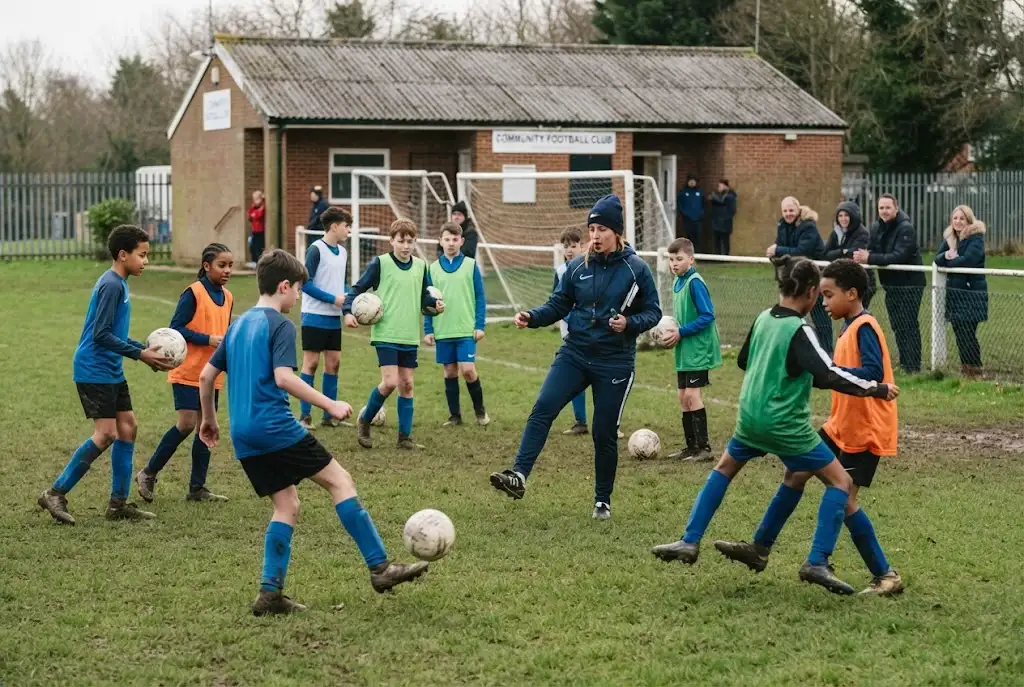
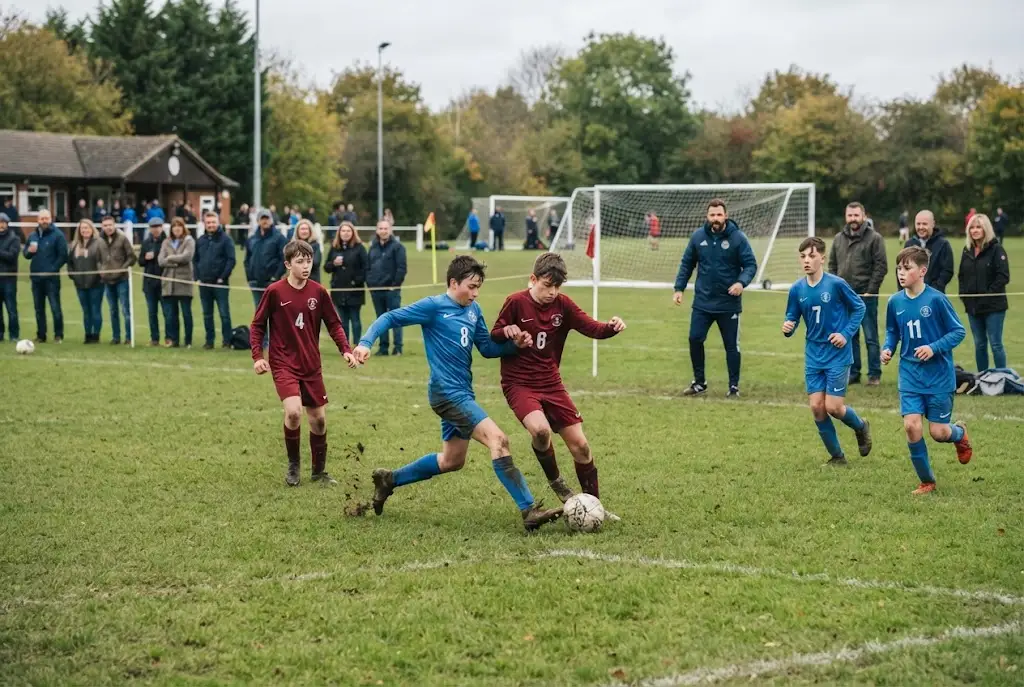
- Grassroots football clubs
- Professional club academies
- Regional talent identification
- Elite youth competitions
- National training camps
- International selection
Strong technical ability, tactical understanding, consistency, attitude, and professionalism all influence selection decisions.
Young players beginning their journey can learn more in our guide to youth football clubs, where many future internationals first develop their skills.
Scotland U19 Football
The Scotland U19 football programme develops talented young players capable of progressing towards the senior Scotland national team.
The squad regularly participates in UEFA qualification tournaments and international friendlies, providing valuable experience against Europe’s strongest youth teams.
Many Scottish professionals gained their first international experience through the Under-19 programme before moving into senior football.
Scotland U17 Squad
The Scotland U17 squad represents one of the country’s most important stages of elite youth development.
Players at this level receive opportunities to:
- Compete internationally
- Develop tactical awareness
- Gain tournament experience
- Prepare for higher age groups
- Represent Scotland internationally
Selection is highly competitive, with players being monitored throughout academy competitions.
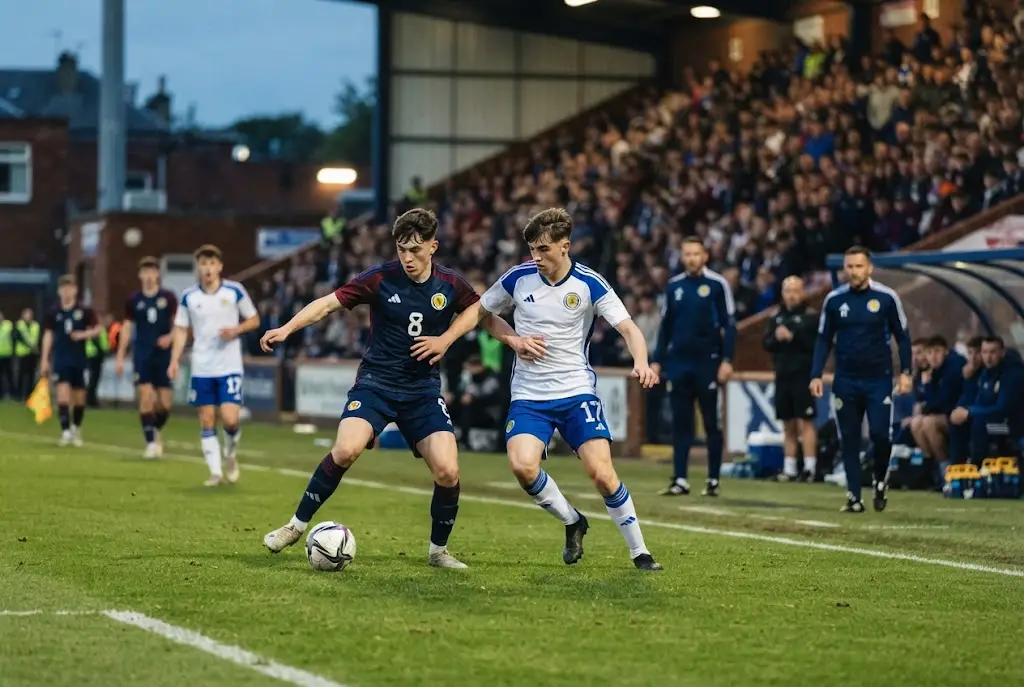
Scotland U-17 vs Lithuania U-17
Fixtures such as Scotland U-17 vs Lithuania U-17 provide valuable competitive experience for developing players. International matches expose young footballers to different tactical styles, playing philosophies, and competitive environments that accelerate learning.
These fixtures also allow coaches to evaluate player development before major UEFA competitions.
Argentina U17 Football Team
The Argentina U17 football team has earned a global reputation for producing technically gifted footballers. Argentina’s youth development philosophy places strong emphasis on creativity, technical excellence, intelligent decision-making, and attacking football.
Many internationally recognised Argentine players first represented their country at Under-17 level before progressing to senior international football.
Portugal U21 Players
Portugal U21 players represent one of Europe’s strongest youth talent pools.
The Portugal has consistently developed world-class footballers through its academy system by focusing on:
- Technical quality
- Ball control
- Decision making
- Game intelligence
- Professional development
The Under-21 squad often serves as the final step before promotion to Portugal’s senior national team.
The Importance of International Experience
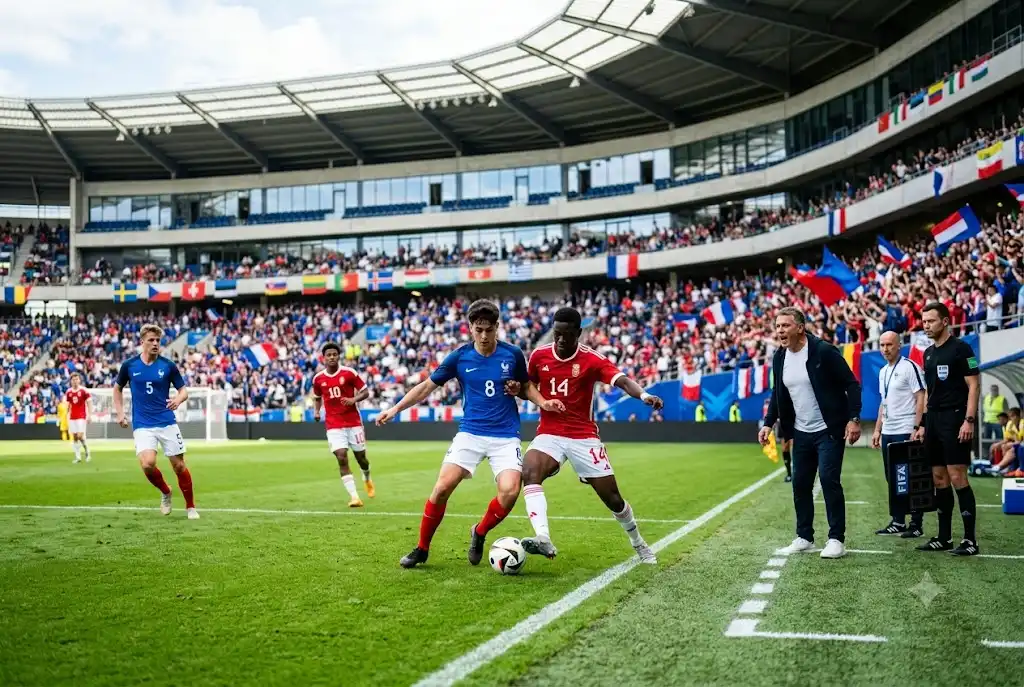
Playing international football exposes young athletes to higher levels of competition than many experience in domestic football.
Benefits include:
- Higher tactical demands
- International tournament experience
- Exposure to different playing styles
- Greater confidence
- Professional preparation
- Personal development
These experiences help prepare players for senior professional football.
The Role of National Football Associations
Every international youth programme is managed by its national governing body, which oversees coaching standards, player identification, safeguarding, and competition participation.
To better understand how governing bodies support player development, read our guide to the football association.
Academies Remain Essential
International football begins with quality coaching at club level. Professional academies and grassroots clubs work closely with governing bodies to help players reach international standards.
Our guide to England youth football explains how academy systems prepare players for international selection and elite competitions.
Life Beyond International Football
Although representing a national youth team is an outstanding achievement, continued development remains the priority.
Young players are encouraged to:
- Continue learning
- Remain disciplined
- Balance education and football
- Develop resilience
- Maintain professionalism
- Enjoy the game
These qualities often determine long-term success more than early recognition alone.
Airdrieonians FC and Youth Development
Airdrieonians FC recognises the value of strong youth development pathways that help talented players maximise their potential. By supporting grassroots football, academy coaching, and player education, clubs contribute to producing footballers capable of competing at the highest levels, including international youth football.
Conclusion
International youth teams represent the highest level of age-group football and provide talented young players with opportunities to compete against elite opposition while representing their country. Supported by grassroots clubs, professional academies, and national football associations, these programmes continue developing the next generation of footballers across Scotland, England, Portugal, Argentina, and many other nations. Regardless of whether players eventually reach senior international football, the experience gained through youth international competition plays a valuable role in their overall development.