
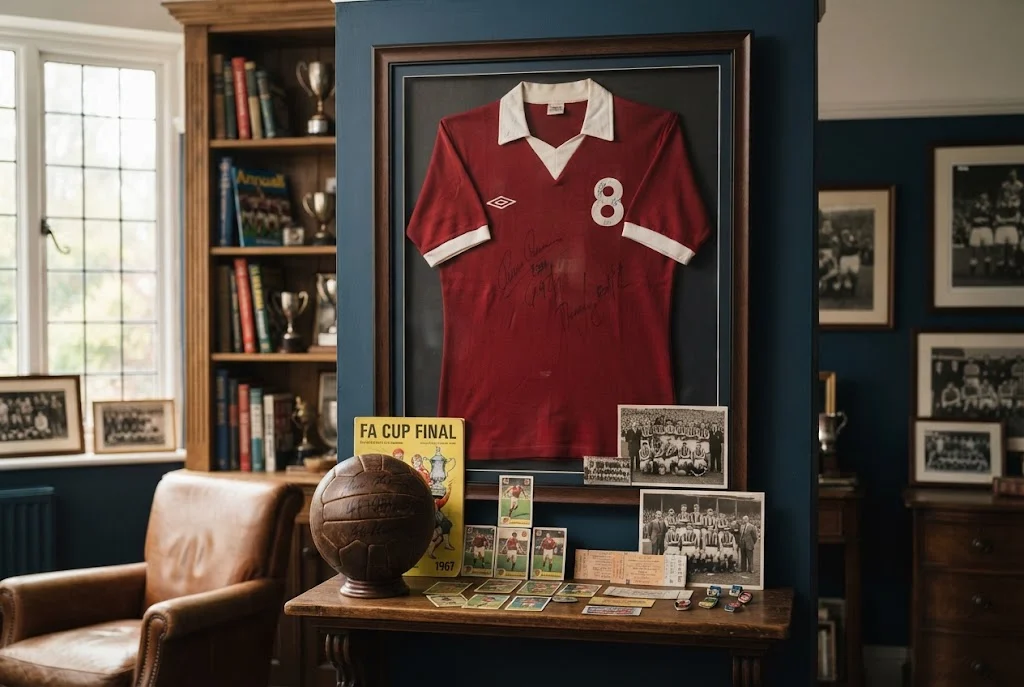
Football memorabilia gives supporters a way to own a physical connection to the clubs, players and matches they love. From signed football shirts and match-worn tops to historic programmes, footballs, photographs, stickers and framed collectibles, the world of football collecting covers a huge range of items.
Some collectors focus on one club or player, while others build collections around particular eras, competitions or historic moments. The appeal is not always financial. For many fans, a signed shirt from a favourite player or a programme from an unforgettable match can hold enormous sentimental value.
However, anyone buying or selling memorabilia should understand the differences between ordinary merchandise, signed collectibles and historically significant pieces. Authenticity, condition, provenance, rarity and demand can all influence how desirable an item becomes.
What Counts as Football Memorabilia?
Football memorabilia is a broad term covering physical objects connected with football history, clubs, players, matches and competitions. It can include items that were commercially produced for supporters as well as objects that have a direct connection to players or specific fixtures.
Common examples include:
- Signed football shirts
- Match-worn football shirts
- Signed footballs
- Player-worn boots
- Football programmes
- Match tickets
- Historic photographs
- Medals and trophies
- Club pennants
- Football cards
- Club stickers
- Posters and promotional material
- Framed football shirts
- Other limited-edition collectibles
The difference between these categories matters. A mass-produced replica shirt signed at a public signing event has a different collecting profile from a shirt worn by a player during a major final.
Signed Football Memorabilia for Collectors
Football signed memorabilia remains one of the most popular areas of sports collecting. Supporters can find signed shirts, balls, photographs, boots and other items associated with famous players and teams.
The signature itself is only part of the story. A collector should also consider who signed the item, when it was signed, how the autograph was obtained and whether the item’s authenticity can be demonstrated.
A clear signature from a legendary player may attract substantial interest, but documentation can make the purchase more reassuring. Collectors should therefore keep certificates, receipts and other supporting evidence safely stored with the memorabilia.
Signed Football Shirts
A signed football shirt can be one of the most visually appealing pieces in a collection. It combines a recognisable club design with a direct connection to a player.
When buying one, check the shirt carefully. Identify the season, manufacturer, competition and player before comparing it with other examples. Also establish whether it is a retail replica, player-issued shirt or match-worn item.
Presentation can also matter. A professionally framed shirt can become a strong display piece, although framing itself does not establish authenticity or increase the underlying rarity of an item.
Signed Football Tops
Signed football tops are available in many different formats, from current-season shirts to retro designs. Older shirts can be particularly appealing when they represent an important period in a club’s history.
Collectors should avoid assuming that an older shirt is automatically more valuable. Age can add interest, but rarity, condition, player significance and demand remain important factors.
Signed Footballs and Other Collectibles
Signed footballs can provide an alternative to shirts for collectors who want something compact and easy to display. A football signed by an entire championship-winning squad, for example, may have a strong historical story.
As with shirts, the provenance is important. A collector should ideally know when, where and under what circumstances the signatures were obtained.
Other signed products can include photographs, boots, programmes and posters. The same authentication principles apply across the different categories.
Match-Worn Football Memorabilia
Match-worn items occupy a particularly interesting part of the collecting market because they can connect a physical object to a specific football event.
A shirt genuinely worn during a major fixture may have a stronger historical connection than a standard replica shirt. However, the claim that an item was match-worn should be supported by credible evidence.
Collectors should look for information about the fixture, player, season and circumstances surrounding the item. Photographs, club documentation, auction records and other provenance can help establish the history.
It is useful to distinguish between match-worn, match-issued and player-issued items. These terms describe different levels of connection to a particular fixture and should not be treated as identical.
Football Collectables and Football Collectibles
Searches for football collectables and football collectibles cover a much wider market than signed shirts alone. Collectors may build collections of cards, stickers, programmes, badges, pennants, photographs, boots or historic club merchandise.
Some collectors specialise heavily. One person might collect only Manchester United shirts, while another might focus on Arsenal memorabilia from a particular decade. Others may collect World Cup items or products connected with a specific player.
A focused collection can make research easier because you become familiar with the products, seasons and players associated with your chosen area.
Football Club Stickers
Football club stickers can be particularly interesting because they connect collecting with the history of football publishing and fan culture. Older sticker albums and individual stickers can appeal to collectors interested in particular tournaments, clubs or generations.
Condition is important with paper collectibles. Tears, creases, fading, writing and missing pages can all influence desirability. Complete albums can also have different collecting characteristics from individual loose stickers.
Manchester United Football Memorabilia
Manchester United has a large global supporter base, making man united football memorabilia a substantial collecting category. Items can include signed shirts, programmes, photographs, scarves, footballs and other club-related pieces.
Collectors interested in signed Manchester United football items should pay particular attention to provenance. The player’s identity, period at the club and historical significance can all influence demand.
For example, memorabilia connected to an important trophy-winning squad or famous Manchester United era may attract collectors who want a physical reminder of that period.
Signed Man Utd Football and Shirts
A signed Man Utd football can be an attractive display item, particularly if several important players have signed it. A signed shirt can provide even more information because the season, sponsor, competition and design may help establish its historical context.
Collectors should nevertheless avoid paying a premium solely because a product carries the Manchester United badge. The specific player, signature authenticity, condition and provenance remain essential.
Framed Manchester United Shirts
A framed Manchester United shirt can make a striking addition to a fan’s home or collection room. Framing protects the garment from everyday handling and can make it easier to display.
When buying a framed shirt, ask what evidence supports its authenticity. A professionally presented frame can make an item look impressive, but presentation should never replace provenance.
Arsenal Football Memorabilia
Arsenal football memorabilia is another popular collecting category. Supporters can collect signed shirts, programmes, photographs, balls, badges and other items connected with the club.
Arsenal memorabilia can be particularly interesting when it represents a significant period in the club’s history. Collectors may focus on historic title-winning teams, legendary players, classic shirt designs or major European campaigns.
As with any club collection, it is worth researching the specific item rather than relying solely on the club name. An ordinary modern product and a rare historical piece can have very different levels of collector interest.
How to Authenticate Football Memorabilia
Authentication is one of the most important considerations when buying signed football memorabilia. A collector should establish as much information as possible before committing to a purchase.
Start by asking:
- Who signed or used the item?
- When was it signed or used?
- Where did the signing or match take place?
- Does the seller provide provenance?
- Is there a certificate of authenticity?
- Who issued the certificate?
- Can the supporting documentation be verified?
- Does the item’s condition match the description?
A certificate can be useful, but collectors should investigate the issuing organisation rather than assuming every certificate carries the same weight.
Established specialist marketplaces and auction houses can also provide additional information about an item’s history. The Football Association’s own heritage resources are useful for understanding the wider historical context of English football.
How Condition Affects Football Memorabilia
Condition is another important consideration. A clean, well-preserved shirt may be easier to display than one with extensive damage. Paper items such as programmes and stickers require particular care because they can suffer from creasing, moisture and fading.
However, collectors should understand that wear is not always negative. Genuine match-worn clothing naturally shows signs of use, and those marks can form part of the item’s history.
The important question is whether the condition is authentic and appropriate to the item’s claimed history.
Football Memorabilia Value and Market Demand
The value of memorabilia depends on more than the item’s original retail price. Collector demand, rarity, authenticity, provenance, condition and historical importance all contribute to market interest.
If you are trying to establish what your collection might be worth, our dedicated guide to football memorabilia value explains the main factors collectors should consider.
It is also worth remembering that asking prices are not necessarily the same as completed sale prices. Researching comparable transactions can give a more realistic picture of the market.
How to Start a Football Memorabilia Collection
You do not need a large budget to begin collecting. In fact, starting with a clear theme can make the hobby more enjoyable and manageable.
Choose a Collecting Theme
Decide what interests you most. You might collect one club, a particular player, a decade, a competition or a specific type of item.
For example, you could focus on:
- Historic football shirts
- Signed player memorabilia
- World Cup collectibles
- Premier League programmes
- Manchester United memorabilia
- Arsenal memorabilia
- Football stickers
- Signed footballs
Research Before Buying
Research is one of the best ways to become a better collector. Learn how shirt designs changed between seasons, understand common authentication methods and study the differences between retail, player-issued and match-worn products.
This knowledge can help you recognise interesting items while avoiding questionable purchases.
Keep Documentation
Save every certificate, receipt, auction description and relevant photograph. Create a simple record for each major item, including when you bought it, what you paid and what evidence came with it.
This information can become valuable if you later decide to sell, insure or professionally value the collection.
Buying Football Memorabilia Online
Online marketplaces have made football collecting more accessible, but they also require careful research. Product photographs can sometimes hide flaws, while descriptions may not provide enough information about provenance.
Before buying an expensive item, ask the seller specific questions and request additional photographs where necessary. Check the seller’s reputation and understand the platform’s buyer protections and return rules.
Be particularly cautious when a product is described as rare, match-worn or signed by a major player without supporting evidence.
Football Memorabilia as Gifts
Football memorabilia can make a memorable gift for a dedicated supporter. A signed shirt, framed football, vintage programme or club collectible can have more personal meaning than ordinary merchandise.
The safest approach is to match the gift to the recipient’s interests. If you know their favourite club and player, a relevant item will usually have greater sentimental value than a generic piece.
If you are looking for broader football and NFL gift ideas, our NFL merchandise UK guide covers jerseys, clothing and fan gear for American football supporters.
Football Memorabilia vs Ordinary Fan Merchandise
The boundary between memorabilia and ordinary merchandise can sometimes be unclear. A club scarf purchased from a shop is primarily fan merchandise. The same type of item might become memorabilia if it has a documented connection to a significant event or player.
Signed products sit somewhere between merchandise and collectibles, depending on their provenance and significance. Match-worn items generally have a stronger direct connection to football history.
This distinction is useful when assessing a collection because not every old football product is automatically a valuable collectible.
How to Display Football Memorabilia
Display is part of the enjoyment of collecting. Shirts can be professionally framed, footballs can be placed in display cases and smaller items can be organised in cabinets or archival storage.
Keep valuable items away from direct sunlight and excessive humidity. UV exposure can cause colours and signatures to fade, while poor storage can damage paper and fabric.
For particularly valuable pieces, specialist conservation and framing advice can be worthwhile.
Final Thoughts on Football Memorabilia
Football memorabilia combines sport, history and personal fandom. Whether you collect signed football shirts, historic programmes, club stickers, footballs or match-worn items, every piece can tell part of a larger story.
The most important habits are simple: research before buying, establish authenticity, preserve provenance, understand condition and avoid assuming that age or a famous club automatically creates high value.
For many supporters, the greatest reward is not the eventual resale price but the connection an item creates with a favourite player, club or unforgettable football moment. Build your collection around the stories that matter to you, and its value as a piece of football history can extend well beyond a simple price tag.