Football is back, and for supporters across the UK that means the return of something much bigger than 90 minutes of sport. The new season brings familiar routines, packed stadiums, fresh transfers, new expectations and the first chance to see whether summer predictions will actually survive competitive football.
After months of waiting, supporters are once again checking fixtures, discussing line-ups, following transfer developments and planning matchdays. For some fans, the excitement starts with the first whistle. For others, it begins weeks earlier with season tickets, new shirts, fantasy football, social media debates and conversations about what their club can achieve.
The 2026/27 campaign has already brought football back to centre stage across England and Scotland. The Premier League began its new season in August following a delayed start because of the expanded summer international calendar, while the SPFL campaign began earlier.
Football Is Back and Matchday Is Different Again
There is a noticeable difference between watching football during a long summer break and actually returning to a stadium.
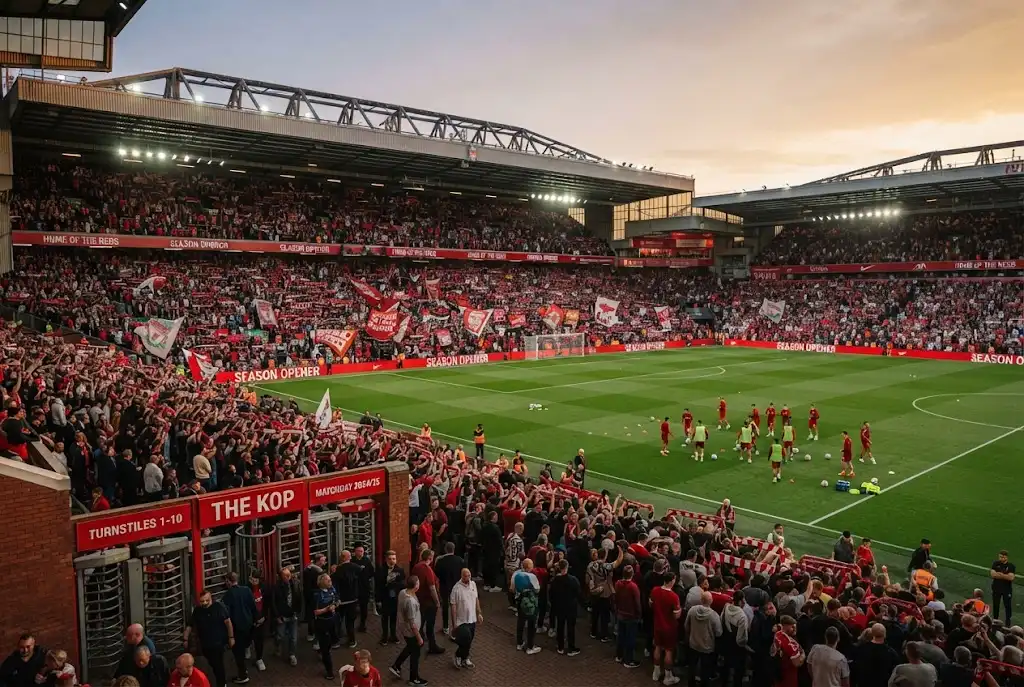
Matchday has its own rhythm. Supporters travel to the ground, meet friends, find their seats, hear the stadium announcements and watch players warm up before the game begins. Even a routine league fixture can feel important when it is the first competitive match of a new campaign.
The return of football also restores weekly routines. Supporters start planning weekends around fixtures again, while pubs, sports bars and hospitality venues prepare for increased demand from people who want to watch matches together.
Sky Group reported in July that Sky Sports would show more than 1,500 live matches across the Premier League, English Football League, Women’s Super League and Scottish Premiership during the 2026/27 season. The company also reported that its previous Premier League season had been its most watched to date.
Why the New Season Feels Like a Fresh Start
Every football season creates a sense of possibility.
A team that struggled last season can rebuild. A promoted club can begin a new challenge. A young player can establish themselves in the first team. A new manager can change the atmosphere around a club.
Even successful teams have something to prove because last season’s achievements do not automatically guarantee future success.
That is why supporters often approach the opening weeks with optimism. Before injuries, poor results and fixture congestion begin to shape the season, every club can imagine a better campaign.
For fans, that optimism is one of football’s most powerful traditions.
Football Is Back After a Busy Summer
The 2026 summer was unusual because the FIFA World Cup final took place in July. The Premier League therefore started later than usual, with the league explaining that the delayed opening was intended to give players additional recovery time following the expanded international calendar.
The first Premier League match round began with Arsenal hosting newly promoted Coventry City on 21 August. The opening weekend then included fixtures involving Manchester United, Liverpool, Manchester City, Chelsea and other major clubs.
That unusual calendar has made the return especially interesting. Players have had to move from an international summer into domestic competition, while clubs have had less conventional preparation time than supporters might normally expect.
Scottish Football Is Back Too
The return of football is not limited to the Premier League.
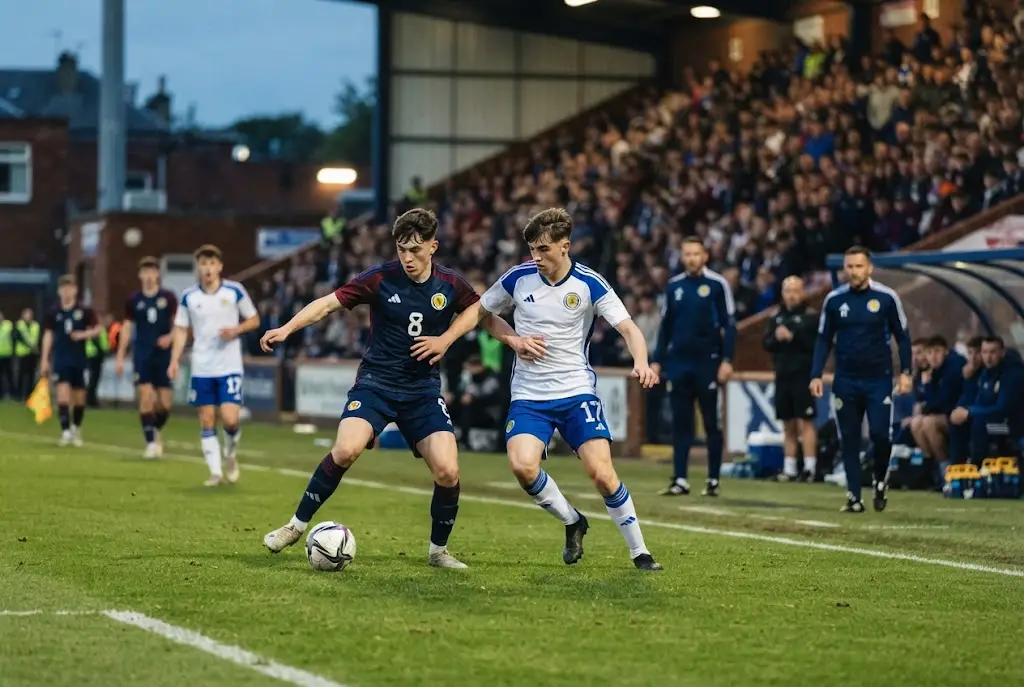
Scottish football began its 2026/27 league campaign at the start of August. The SPFL confirmed that the William Hill Premiership opened on 31 July, while League 1 and League 2 began on 1 August.
For Airdrieonians supporters, the season has brought another campaign to follow, with Airdrieonians competing in League 1. The club’s opening league fixture was away to Cove Rangers before the schedule moved into the following rounds.
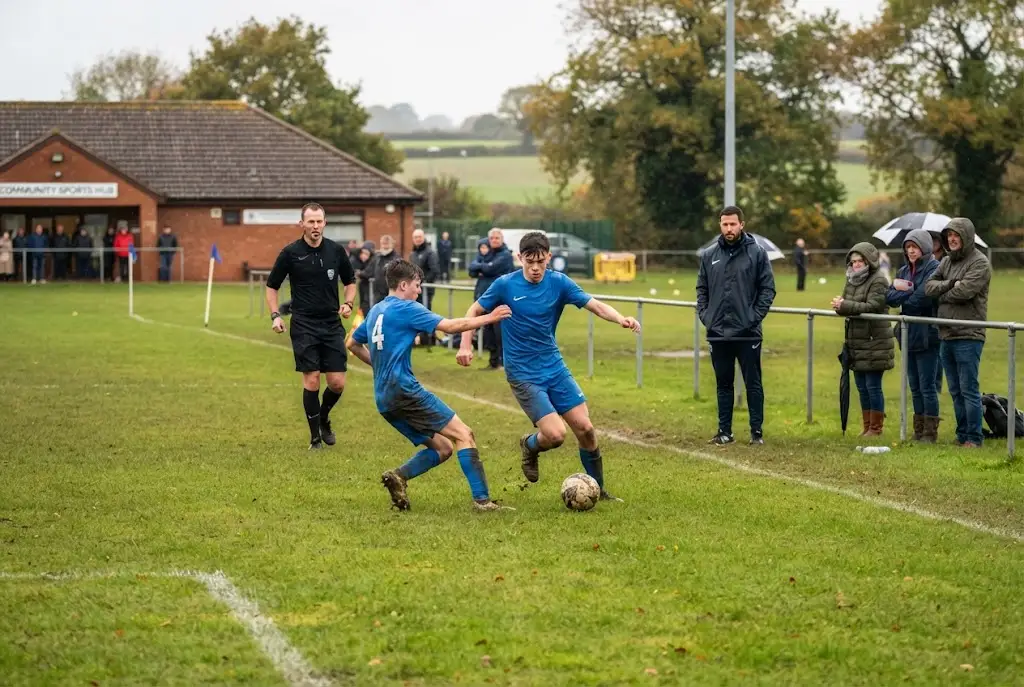
This is where the phrase football is back means something particularly important for supporters of smaller and lower-league clubs. The excitement does not depend on Premier League television coverage. It comes from knowing that your own club is playing competitive football again.
The Football Man Behind Every Matchday
Football supporters sometimes use phrases such as football man to describe someone whose life is deeply connected to the sport. It can mean the person who knows every fixture, remembers old results, follows every transfer rumour and rarely misses a match.
That culture is one reason football remains so powerful in Britain. Supporting a club is not simply about watching games. It can become part of a person’s weekly routine and social identity.
The football man might be the father taking his children to their first match, the supporter who has followed the same club for decades, or the younger fan who watches every game through television and digital platforms.
When football returns, all of these supporters have something to talk about again.
From Transfer Rumours to the First Kick
The transfer window is one of the biggest parts of the football calendar, and its importance does not disappear once matches begin.
Supporters want to know whether new signings will start, whether existing players will leave and whether their manager has enough depth to compete across the season. The final stages of the 2026 summer transfer window are particularly interesting because the Premier League window closes on 1 September.
That means clubs are still making decisions while competitive matches are already being played.
Our guide to football transfer news explores how supporters can follow rumours, negotiations and confirmed deals without confusing speculation with completed transfers.
The overlap between matches and transfers creates a fascinating period. A team may win its first fixture but still be searching for a striker, defender or midfielder before deadline day. Conversely, a poor opening result can increase pressure on a club to strengthen its squad.
Football Fans Are Fighting for Their Predictions to Be Right
Football fans do not need to be physically fighting to disagree passionately. The return of the season immediately brings arguments about which clubs will win the league, which players will score the most goals and which managers are under pressure.
Social media makes these debates even louder. One excellent performance can produce claims that a player is world class, while one mistake can lead to criticism that lasts for days.
This is part of modern football culture, but supporters should remember that a season is a long process. Early results can be informative without being definitive.
The same applies to rivalries. Rival fans may spend weeks debating which club has the stronger squad, but the answers usually become clearer only after teams have faced different opponents and dealt with injuries, suspensions and fixture congestion.
Why Football Fans Fighting Is Not the Same as Football Rivalry
Passionate rivalry is a normal part of football culture. Violence is not.
Supporters can disagree, sing against rival teams and celebrate when an opponent loses without turning football into a physical confrontation. Genuine football fan culture is built around shared experiences, humour, loyalty and competition.
Where serious disorder does occur, authorities can use criminal offences and football banning orders. The Crown Prosecution Service explains how football-related offences and banning orders can be used to restrict people whose behaviour causes problems around matches.
That distinction matters because headlines about footballers in prison or supporters involved in criminal cases can sometimes dominate conversations about the sport. Those stories are part of football’s wider news cycle, but they do not represent the experience of the majority of supporters.
From Stick Football to Modern Football
Football culture has changed enormously over the generations.
Many older supporters remember playing stick football with simple figures, paper games or tabletop versions of the sport before today’s video games and online football simulations became dominant. These simple games reflected the same basic fascination with football: choosing players, creating teams and imagining matches.
Today’s younger supporters can experience football through consoles, mobile games, streaming services, social media and interactive statistics. Yet the underlying attraction remains remarkably similar.
Fans still want to build teams, predict results, celebrate goals and compete with friends.
Football Is Back and So Are the Commentary Debates
Once matches return, supporters also start discussing the way games are presented.
Commentators become part of the matchday experience. A memorable goal can be enhanced by a great call, while an unusual commentary mistake can become a social media talking point within minutes.
Our guide to football commentary charts looks at the preparation behind live football broadcasting and explains how commentators organise player information, statistics and match notes before kick-off.
This behind-the-scenes preparation helps explain why professional commentary can sound spontaneous even though broadcasters have spent significant time researching the fixture.
Football Headlines Move Quickly When the Season Starts
One of the biggest changes supporters notice when football returns is the speed of the news cycle.
During the summer, transfer stories can dominate. Once competitive football begins, the focus expands to results, injuries, managerial decisions, tactical changes, controversial incidents and individual performances.
Football websites and social platforms can turn a single moment into a national discussion almost immediately. A late goal can dominate headlines, while an unusual kit or boot can become a talking point before the next match.
Specialist football publications such as Footy Headlines also contribute to this wider ecosystem by covering kits, boots and football equipment alongside other football-related developments.
For supporters, this means football is no longer confined to matchday. News continues before the game, during the game and long after the final whistle.
Why Football Brings Communities Together
Perhaps the strongest reason fans are happy to see football return is the community it creates.
Supporters meet people they may not otherwise know because they support the same club. Families pass traditions between generations. Local businesses benefit from matchday visitors, while pubs and cafés become gathering points for people watching games together.
Even supporters who rarely attend stadiums can participate through online communities, podcasts, social media and fan websites.
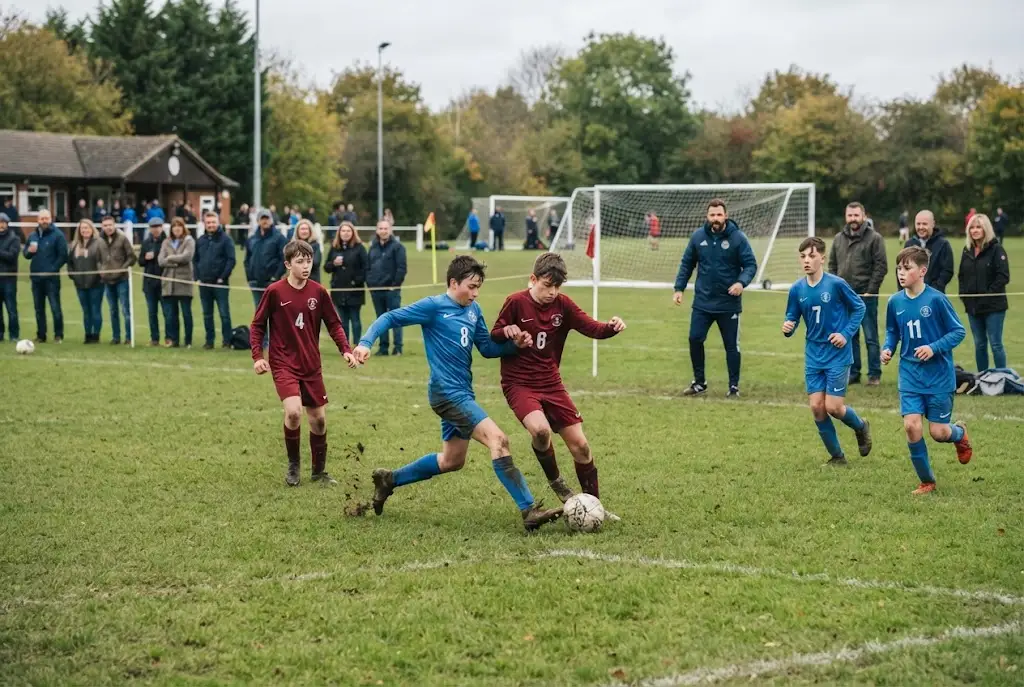
That sense of belonging is especially important for smaller clubs. A local match can bring together people from the same town or area who share an emotional connection with the team.
What Should Fans Watch as the Season Develops?
The first few weeks are exciting, but supporters should also look beyond the opening results.
- Squad depth: Can the club cope with injuries and suspensions?
- New signings: Are summer recruits adapting quickly?
- Youth players: Which academy prospects are getting opportunities?
- Managerial decisions: Is the tactical approach producing results?
- Fixture congestion: How does the team cope with frequent matches?
- Fan atmosphere: Is the mood around the club changing?
- Transfer deadline: Are important additions or departures still possible?
These factors often tell supporters more about a team’s prospects than one opening-weekend result.
Football Is Back, But the Season Has Only Just Started
The excitement surrounding the return of football can sometimes make the first result feel more important than it really is.
A long season provides plenty of opportunities to recover from a defeat or build on an encouraging start. Teams will improve, injuries will change squads, young players will emerge and managers will adapt.
That uncertainty is exactly what makes football compelling.
For supporters, there is no guaranteed storyline. A club tipped for success can struggle, while an unfancied team can surprise everyone. A player signed as a squad option can become a star, while an expensive signing may need months to settle.
Final Thoughts: The Football Routine Returns
Football is back, and with it comes the full rhythm of the football season: fixtures, travel, rivalries, transfers, commentary, debates and matchday memories.
The 2026/27 campaign has already begun across the major UK competitions, with the Premier League starting in August and the Scottish professional leagues returning earlier.
For supporters, the most important part is not necessarily which club has the biggest transfer budget or the most famous players. It is having a team to follow again every week.
That is why the return of football feels different. It restores routines, conversations and communities that have been missing during the summer.
Whether you follow a Premier League giant, a Scottish club, a lower-league side or your local team, the new season provides another opportunity to create memories.
The fixtures are underway, the stadiums are filling again and supporters have started making predictions. Now the real test begins: seeing what happens when expectations meet the football pitch.